
BURGOS
SPAGNAABOUT PILOT AREA
The wood-related industry is of paramount importance in the region, as municipalities own 80% of the total area (communal forest property), with timber harvesting being a traditional activity. R&D activities explore forestry-related potentials, and public support mechanisms, such as Forest Management Plans, are in place. Cultural and natural tourism activities significantly boost the local economy. Priorities include cultural initiatives, digital literacy, new transport models, labor inclusion, natural resources preservation, and housing access. The Pinares area benefits greatly from the vast opportunities provided by its long-standing wood industry tradition. Several research and development initiatives are exploring the potential of forestry-related activities — such as LIFE Soria ForestAdapt, ZeroFires, and the International Model Forest Network — and there are already public support mechanisms in place, including Forest Management Plans and reductions in Social Security contributions in the province of Soria. Cultural and nature-based tourism also make a significant contribution to the local economy. UBU, FO2, and SODEBUR aim to support existing initiatives in these areas — such as House of the Wood, Cabaña Real de Carreteros, Que la Sierra Baile, the TurismoUrbion Association, and SMART VILLAGES — while continuing to develop new social economy projects around them. The following areas have been identified as priorities: cultural initiatives, digital literacy and services, new transportation models, labor inclusion, preservation and management of natural resources, and access to housing for migrants and neo-rurals.
ABOUT VULNERABLE GROUPS OF THE PILOT AREA
The main aim is to improve the living conditions of people in vulnerable situations, particularly the elderly, young people, and women, who face a significant lack of opportunities in the area. In this context, the ESIRA pilot in the Pinares area seeks to strengthen the local community, promote social cohesion and mutual support, enhance social services, and facilitate the creation of opportunities for entrepreneurship within social economy initiatives. The main needs identified through engagement with the local community include the lack of clear funding pathways, the complexity and rigidity of administrative procedures with public authorities, and difficulties in incorporating social, environmental, and community-strengthening dimensions into local initiatives.
NOTIZIE/OUTCOMES
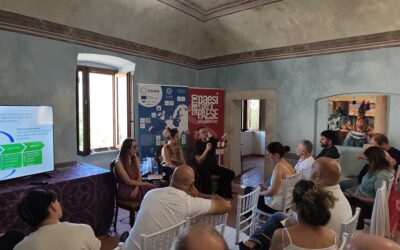
ESIRA presentato al Community-based Cooperatives Festival in Abruzzo
Dal 4 al 6 settembre 2026, Borghi IN Rete ha organizzato il Community-based Cooperatives Festival in Abruzzo, in Italia, riunendo cooperative di comunità, comunità locali, istituzioni, organizzazioni e ricercatori impegnati a rafforzare la vitalità sociale ed...

IL PROGETTO ESIRA HA ORGANIZZATO UN WORKSHOP DI DISSEMINAZIONE SCIENTIFICA E UNA SESSIONE DELLA COMMUNITY OF PRACTICE SULL’INNOVAZIONE RURALE
Il progetto ESIRA ha organizzato con successo il suo workshop finale di disseminazione scientifica per quest’anno, intitolato “From Collaboration to Action: How Multi-Actor Platforms Shape Rural Innovation”, seguito da una sessione della Community of Practice (CoP)...

SEGNA LA DATA E INVITO ALLA PARTECIPAZIONE: WORKSHOP DI DISSEMINAZIONE SCIENTIFICA ESIRA E SESSIONE DELLA COMUNITÀ DI PRATICA (CoP)
Il progetto ESIRA è lieto di annunciare il prossimo Workshop di Disseminazione Scientifica e Sessione della Comunità di Pratica (CoP), che si terrà il 17 dicembre 2025 alle ore 10:00 CET, online su MS Teams. Con il titolo “Dalla collaborazione all’azione: come le...

L’INNOVAZIONE RURALE AL CENTRO DELLA 10ª CONFERENZA EMES CON UN PANEL SULL’ECONOMIA SOCIALE RURALE
Un team di ricercatori dei progetti Horizon Europe ESIRA e SERIGO ha presentato i propri risultati alla 10ª conferenza EMES. Coordinato da Luca Koltai (HÉTFA Research Institute), il panel ha visto i contributi di studiosi dell’Università di Burgos, Euricse, della...

LA QUARTA ASSEMBLEA GENERALE SI È SVOLTA IN POLONIA
La quarta Assemblea Generale del progetto ESIRA (Enhancing Social Inclusion and Rural Areas) si è svolta dal 15 al 17 ottobre 2025 a Orelec, nei Monti Bieszczady, in Polonia. L’evento è stato ospitato dal partner locale European Rural Development Network (ERDN) e ha...
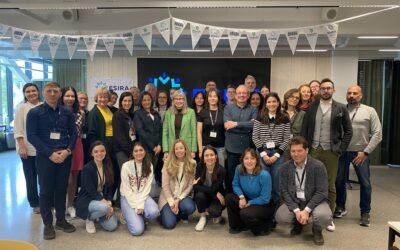
TERZA ASSEMBLEA GENERALE DEL PROGETTO ESIRA TENUTASI IN NORVEGIA
La terza Assemblea Generale del progetto ESIRA (Enhancing Social Inclusion and Rural Areas) si è svolta dal 20 al 22 maggio 2025 nella città norvegese di Kongsvinger. L’evento è stato ospitato dai partner locali Inland Norway University of Applied Sciences (INN) e...
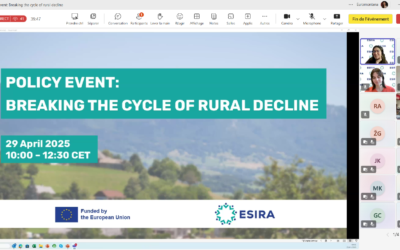
ROMPERE IL CICLO DEL DECLINO RURALE: ESIRA LANCIA IL SUO PRIMO WORKSHOP DI POLICY
Come possiamo invertire il ciclo del declino rurale? In che modo gli attori dell’economia sociale possono far parte della soluzione? Queste sono state le domande centrali esplorate il 29 aprile 2025 durante il primo workshop di policy del progetto ESIRA, intitolato...
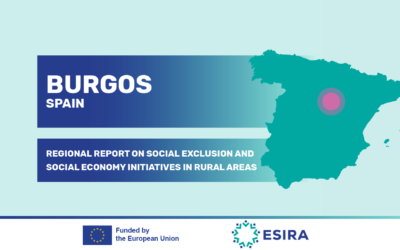
RAPPORTO REGIONALE: BURGOS, SPAGNA
L’obiettivo principale di questo rapporto è stato raccogliere informazioni sulla situazione delle aree rurali e delle comunità residenti in ciascuna delle regioni partecipanti al progetto ESIRA. Questi rapporti costituiranno la base per lo “Studio comparativo...

SEGNA LA DATA! ROMPERE IL CICLO DEL DECLINO RURALE: EVENTO DI POLICY ESIRA IL 29 APRILE 2025
Le comunità rurali in tutta l’Unione Europea affrontano un ciclo di declino autoalimentato. La mancanza di posti di lavoro e il ridotto accesso ai servizi essenziali, come sanità e istruzione, favoriscono l’emigrazione, in particolare tra i giovani. Questo, a sua...

I RURAL LAB COME METODOLOGIA DI INNOVAZIONE SOCIALE – UN’ESPERIENZA DA CUI TUTTI POSSIAMO IMPARARE!
Nell’ambito del progetto ESIRA, il 18 dicembre è stato organizzato il primo webinar di disseminazione sul tema: “I Rural Lab come metodologia di innovazione sociale: basi teoriche ed esperienze pratiche”. Durante il webinar, il team di progetto ha condiviso i...