
BURGOS
HISZPANIAABOUT PILOT AREA
The wood-related industry is of paramount importance in the region, as municipalities own 80% of the total area (communal forest property), with timber harvesting being a traditional activity. R&D activities explore forestry-related potentials, and public support mechanisms, such as Forest Management Plans, are in place. Turystyka kulturowa i przyrodnicza znacząco pobudza lokalną gospodarkę. Priorytety obejmują inicjatywy kulturalne, umiejętności cyfrowe, nowe modele transportu, integrację zawodową, ochronę zasobów naturalnych i dostęp do mieszkań. The Pinares area benefits greatly from the vast opportunities provided by its long-standing wood industry tradition. Several research and development initiatives are exploring the potential of forestry-related activities — such as LIFE Soria ForestAdapt, ZeroFires, and the International Model Forest Network — and there are already public support mechanisms in place, including Forest Management Plans and reductions in Social Security contributions in the province of Soria. Cultural and nature-based tourism also make a significant contribution to the local economy. UBU, FO2, and SODEBUR aim to support existing initiatives in these areas — such as House of the Wood, Cabaña Real de Carreteros, Que la Sierra Baile, the TurismoUrbion Association, and SMART VILLAGES — while continuing to develop new social economy projects around them. The following areas have been identified as priorities: cultural initiatives, digital literacy and services, new transportation models, labor inclusion, preservation and management of natural resources, and access to housing for migrants and neo-rurals.
ABOUT VULNERABLE GROUPS OF THE PILOT AREA
The main aim is to improve the living conditions of people in vulnerable situations, particularly the elderly, young people, and women, who face a significant lack of opportunities in the area. In this context, the ESIRA pilot in the Pinares area seeks to strengthen the local community, promote social cohesion and mutual support, enhance social services, and facilitate the creation of opportunities for entrepreneurship within social economy initiatives. The main needs identified through engagement with the local community include the lack of clear funding pathways, the complexity and rigidity of administrative procedures with public authorities, and difficulties in incorporating social, environmental, and community-strengthening dimensions into local initiatives.
AKTUALNOŚCI / WYNIKI

THE FOURTH GENERAL ASSEMBLY WAS HELAD IN POLAND
The fourth General Assembly of the ESIRA project (Enhancing Social Inclusion and Rural Areas) took place from October 15 to 17, 2025, in Orelec, in the Bieszczady Mountains, Poland. The event was hosted by the local partner, the European Rural Development Network...
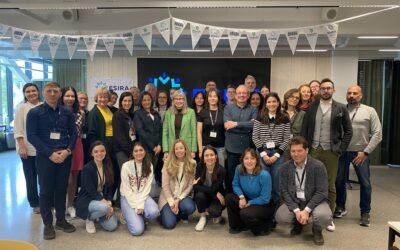
THIRD GENERAL ASSEMBLY OF THE ESIRA PROJECT HELD IN NORWAY
The third General Assembly of the ESIRA project (Enhancing Social Inclusion and Rural Areas) took place from May 20 to 22, 2025, in the Norwegian town of Kongsvinger. The event was hosted by local partners the Inland Norway University of Applied Sciences (INN), and...
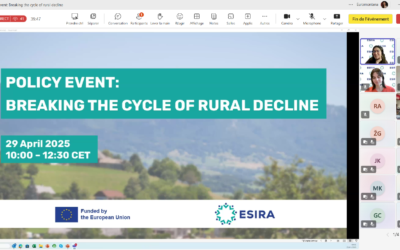
BREAKING THE CYCLE OF RURAL DECLINE: ESIRA LAUNCHES ITS FIRST POLICY WORKSHOP
How can we reverse the cycle of rural decline? How can social economy actors be part of the solution? These were the central questions explored today, 29th of April 2025, during the first policy workshop of the ESIRA project, titled “Breaking the cycle of rural...
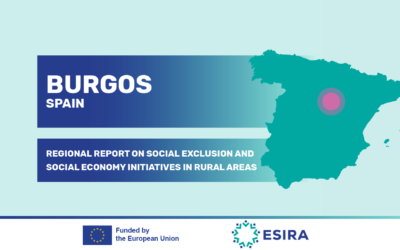
REGIONAL REPORT: BURGOS, SPAIN
The aim of this report is to provide a social and economic diagnosis of rural areas and the rural populations of the Spanish ESIRA partner areas. These reports will act as the basis of D4.1, “Benchmark study on social exclusion in rural areas,” and D4.2, “multi-level...

SAVE THE DATE! BREAKING THE CYCLE OF RURAL DECLINE: ESIRA POLICY EVENT ON 29TH APRIL 2025
Rural communities across the European Union face a self-reinforcing cycle of decline. The lack of jobs and reduced access to essential services, such as healthcare and education, drive outmigration, particularly among young people. This, in turn, weakens local...

REGISTER FOR THE THIRTEENTH EUROPEAN MOUNTAIN CONVENTION
XIII European Mountain Convention “Shaping the future of mountain economies” | From 15 to 18 October 2024 in Puigcerdà (Catalonia) Mountain economies are based on economic sectors that are the beating heart of mountain areas, provide employment to mountain communities...

ESTABLISHMENT OF SPANISH MAP MARKS NEW ERA FOR SOCIAL INNOVATION IN PINARES BURGOS
On Friday, June 14th, more than forty people met in Hontoria del Pinar, a village in the heart of the Pinares Burgos-Soria region, to establish the Spanish Multi-Actor Platform (MAP). This platform will lead and promote the ESIRA social innovation initiatives across...
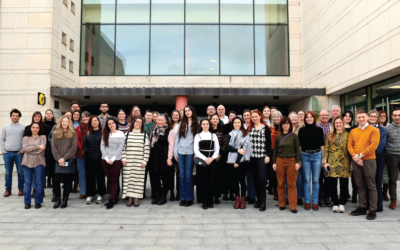
THE KICK-OFF MEETING OF THE ESIRA PROJECT WAS HELD IN BURGOS
A consortium of 15 partners from 8 countries launched the ESIRA Project with the main goal of improving the socio-economic position of the population in rural areas! Partners attended the Kick-off meeting held on January 17th and 18th in Burgos, Spain. The meeting was...
ROZPOCZĘLIŚMY PROJEKT ESIRA
W całej Unii Europejskiej regiony wiejskie, górskie i oddalone obejmują prawie 80% terytorium, ale zamieszkuje je tylko 57% ludności. Pomimo pozornie niewielkiej gęstości zaludnienia, obszary te mają znaczny wpływ na gospodarkę, wnosząc 46% całkowitej wartości dodanej...