
druskininkai
LithuaniaABOUT PILOT AREA
Druskininkai municipality is located in southern Lithuania, within Alytus County, bordering Belarus and situated close to the Polish border. The municipality consists of the resort town of Druskininkai and two rural elderships. The area is characterised by extensive forest cover, which makes up nearly 70% of the territory, while agricultural land accounts for only about one fifth and is generally of low productivity. As a result, traditional large-scale agriculture plays a limited role, and forest-related activities, tourism, and services are more prominent.
In 2021, the municipality had around 19,000 residents. While the overall population has declined over the past decade, some larger rural centres, have experienced population growth, contrasting with depopulation in smaller villages. The region is sparsely populated, with a population density significantly lower than the national average, and faces demographic challenges related to population ageing and negative natural population change.
Economically, Druskininkai is dominated by the tourism-oriented service sector, reflecting its long-standing status as a health resort. While this creates employment opportunities, wages remain below national averages, and unemployment – particularly among working-age men – remains relatively high. Industrial and agricultural development is limited due to environmental restrictions associated with the resort status and border location. Key challenges for the region include ageing demographics, labour market imbalances, access to healthcare services, and the need to strengthen social inclusion and diversify the local economy, particularly in rural areas.
ABOUT VULNERABLE GROUPS OF THE PILOT AREA
Druskininkai LAG has identified three main target groups for which economic activation and employment promotion are particularly relevant:
1. Low-income rural residents. This group includes people living in the rural areas of Druskininkai municipality who receive minimal or below-average income due to limited local job opportunities, low levels of entrepreneurship, and generally low economic activity.
2. Economically inactive rural youth. These are young people who are not employed and not studying, often lacking motivation, qualifications, or knowledge about potential self-employment or income-generating opportunities in rural areas. Their involvement is crucial for ensuring long-term local vitality and demographic balance.
3. Elderly residents living in rural areas. This group consists of pensioners or pre-retirement individuals who often receive small pensions and have limited opportunities to participate in the labour market. Many of them possess valuable experience, skills, and knowledge that can be used for additional income-generating or community-based activities.
AKTUALNOŚCI / WYNIKI

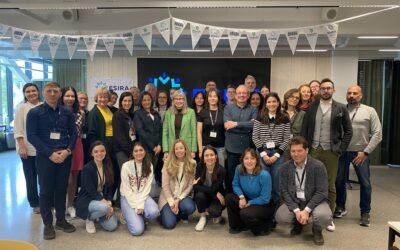
THE FOURTH GENERAL ASSEMBLY WAS HELAD IN POLAND
The fourth General Assembly of the ESIRA project (Enhancing Social Inclusion and Rural Areas) took place from October 15 to 17, 2025, in Orelec, in the Bieszczady Mountains, Poland. The event was hosted by the local partner, the European Rural Development Network...
THIRD GENERAL ASSEMBLY OF THE ESIRA PROJECT HELD IN NORWAY
The third General Assembly of the ESIRA project (Enhancing Social Inclusion and Rural Areas) took place from May 20 to 22, 2025, in the Norwegian town of Kongsvinger. The event was hosted by local partners the Inland Norway University of Applied Sciences (INN), and...
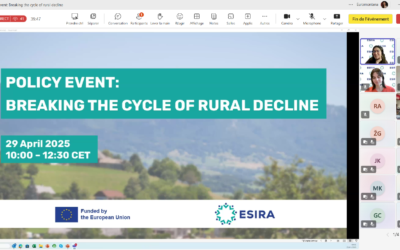
BREAKING THE CYCLE OF RURAL DECLINE: ESIRA LAUNCHES ITS FIRST POLICY WORKSHOP
How can we reverse the cycle of rural decline? How can social economy actors be part of the solution? These were the central questions explored today, 29th of April 2025, during the first policy workshop of the ESIRA project, titled “Breaking the cycle of rural...

REGIONAL REPORT: DRUSKININKAI, LITHUANIA
The main aim of this report was to collect information regarding the situation of rural areas and the communities residing in each of the participating regions in the ESIRA project (ENHANCING SOCIAL INNOVATION IN RURAL AREAS HORIZON 101136253). These reports will act...

SAVE THE DATE! BREAKING THE CYCLE OF RURAL DECLINE: ESIRA POLICY EVENT ON 29TH APRIL 2025
Rural communities across the European Union face a self-reinforcing cycle of decline. The lack of jobs and reduced access to essential services, such as healthcare and education, drive outmigration, particularly among young people. This, in turn, weakens local...

REGISTER FOR THE THIRTEENTH EUROPEAN MOUNTAIN CONVENTION
XIII European Mountain Convention “Shaping the future of mountain economies” | From 15 to 18 October 2024 in Puigcerdà (Catalonia) Mountain economies are based on economic sectors that are the beating heart of mountain areas, provide employment to mountain communities...

THE FIRST MAP MEETING WAS HELD IN DRUSKININKAI, LITHUANIA
On March 20, 2024 researchers from Institute of Economics and Rural development participated in the first multi-actor platform (MAP) meeting in Druskininkai. During the meeting, the content of the ESIRA project was discussed, as well the possibilities of strengthening...
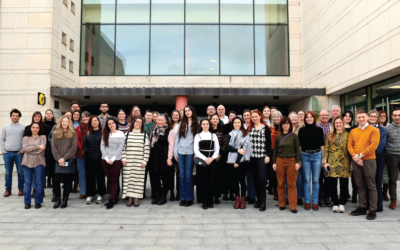
THE KICK-OFF MEETING OF THE ESIRA PROJECT WAS HELD IN BURGOS
A consortium of 15 partners from 8 countries launched the ESIRA Project with the main goal of improving the socio-economic position of the population in rural areas! Partners attended the Kick-off meeting held on January 17th and 18th in Burgos, Spain. The meeting was...
ROZPOCZĘLIŚMY PROJEKT ESIRA
W całej Unii Europejskiej regiony wiejskie, górskie i oddalone obejmują prawie 80% terytorium, ale zamieszkuje je tylko 57% ludności. Pomimo pozornie niewielkiej gęstości zaludnienia, obszary te mają znaczny wpływ na gospodarkę, wnosząc 46% całkowitej wartości dodanej...