
druskininkai
LithuaniaABOUT PILOT AREA
Druskininkai municipality is located in southern Lithuania, within Alytus County, bordering Belarus and situated close to the Polish border. The municipality consists of the resort town of Druskininkai and two rural elderships. The area is characterised by extensive forest cover, which makes up nearly 70% of the territory, while agricultural land accounts for only about one fifth and is generally of low productivity. As a result, traditional large-scale agriculture plays a limited role, and forest-related activities, tourism, and services are more prominent.
In 2021, the municipality had around 19,000 residents. While the overall population has declined over the past decade, some larger rural centres, have experienced population growth, contrasting with depopulation in smaller villages. The region is sparsely populated, with a population density significantly lower than the national average, and faces demographic challenges related to population ageing and negative natural population change.
Economically, Druskininkai is dominated by the tourism-oriented service sector, reflecting its long-standing status as a health resort. While this creates employment opportunities, wages remain below national averages, and unemployment – particularly among working-age men – remains relatively high. Industrial and agricultural development is limited due to environmental restrictions associated with the resort status and border location. Key challenges for the region include ageing demographics, labour market imbalances, access to healthcare services, and the need to strengthen social inclusion and diversify the local economy, particularly in rural areas.
ABOUT VULNERABLE GROUPS OF THE PILOT AREA
Druskininkai LAG has identified three main target groups for which economic activation and employment promotion are particularly relevant:
1. Low-income rural residents. This group includes people living in the rural areas of Druskininkai municipality who receive minimal or below-average income due to limited local job opportunities, low levels of entrepreneurship, and generally low economic activity.
2. Economically inactive rural youth. These are young people who are not employed and not studying, often lacking motivation, qualifications, or knowledge about potential self-employment or income-generating opportunities in rural areas. Their involvement is crucial for ensuring long-term local vitality and demographic balance.
3. Elderly residents living in rural areas. This group consists of pensioners or pre-retirement individuals who often receive small pensions and have limited opportunities to participate in the labour market. Many of them possess valuable experience, skills, and knowledge that can be used for additional income-generating or community-based activities.
AKTUALNOŚCI / WYNIKI
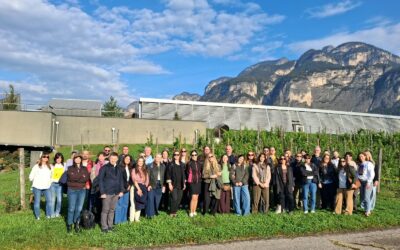
Zgromadzenie Generalne projektu ESIRA we Włoszech: Rola spółdzielni w rozwoju obszarów wiejskich i integracji społecznej
Szóste Zgromadzenie Generalne projektu ESIRA odbyło się w Trydencie we Włoszech w dniach 5–7 października 2026 r. Spotkanie zgromadziło partnerów projektu, którzy dokonali przeglądu bieżących działań, omówili nadchodzące zadania i wymienili się doświadczeniami w...

ESIRA-PROSJEKTETS FJERDE GENERALFORSAMLING BLE HOLDT I POLEN
ESIRA-prosjektets (Enhancing Social Inclusion and Rural Areas) fjerde generalforsamling ble avholdt fra 15. til 17. oktober 2025 i Orelec, i Bieszczady-fjellene i Polen. Arrangementet ble arrangert av den lokale partneren European Rural Development Network (ERDN) og...
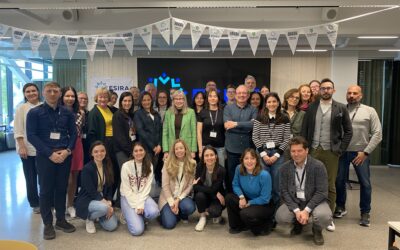
TRZECIE ZGROMADZENIE OGÓLNE PROJEKTU ESIRA ODBYŁO SIĘ W NORWEGII
Trzecie Zgromadzenie Ogólne projektu ESIRA (Enhancing Social Inclusion and Rural Areas) odbyło się w dniach 20–22 maja 2025 r. w Kongsvinger w Norwegii. Spotkanie zostało zorganizowane przez lokalnych partnerów: Inland Norway University of Applied Sciences (INN) oraz...
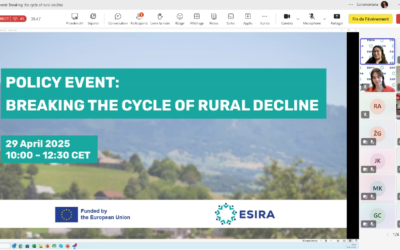
PRZERWANIE CYKLU UPADKU OBSZARÓW WIEJSKICH: ESIRA ORGANIZUJE PIERWSZY WARSZTAT DOTYCZĄCY POLITYKI PUBLICZNEJ
Jak możemy przerwać cykl upadku obszarów wiejskich? Jak podmioty gospodarki społecznej mogą stać się częścią rozwiązania? To były kluczowe pytania omawiane 29 kwietnia 2025 r. podczas pierwszego warsztatu dotyczącego polityki publicznej w ramach projektu ESIRA,...

REGIONAL REPORT: DRUSKININKAI, LITHUANIA
The main aim of this report was to collect information regarding the situation of rural areas and the communities residing in each of the participating regions in the ESIRA project (ENHANCING SOCIAL INNOVATION IN RURAL AREAS HORIZON 101136253). These reports will act...

ZAREZERWUJ DATĘ! PRZERWANIE CYKLU UPADKU OBSZARÓW WIEJSKICH: WYDARZENIE ESIRA DOTYCZĄCE POLITYKI PUBLICZNEJ 29 KWIETNIA 2025 R.
Społeczności wiejskie w całej Unii Europejskiej zmagają się ze wzajemnie napędzającym się cyklem upadku. Brak miejsc pracy i ograniczony dostęp do podstawowych usług, takich jak opieka zdrowotna i edukacja, prowadzą do odpływu ludności, szczególnie młodych ludzi. To z...

RURAL LABS JAKO METODOLOGIA INNOWACJI SPOŁECZNYCH – DOŚWIADCZENIA, Z KTÓRYCH WSZYSCY MOŻEMY SIĘ UCZYĆ!
W ramach projektu ESIRA 18 grudnia zorganizowano pierwszy webinar upowszechniający poświęcony tematowi „Rural Labs jako metodologia innowacji społecznych: podstawy teoretyczne i doświadczenia praktyczne”.Podczas webinaru zespół projektowy przedstawił dotychczas...

DRUGIE ZGROMADZENIE OGÓLNE ODBYŁO SIĘ W BUDAPESZCIE: W NAJBLIŻSZYCH 6 MIESIĄCACH PRIORYTETEM BĘDZIE PRACA NAD MAP
W dniach 16–17 października konsorcjum złożone z 15 partnerów z 8 krajów spotkało się w Budapeszcie na drugim Zgromadzeniu Ogólnym projektu ESIRA. Podczas dwudniowego wydarzenia liderzy pakietów roboczych przedstawili raporty z postępów prac, szczegółowe informacje na...

ZAREJESTRUJ SIĘ NA XIII EUROPEJSKĄ KONWENCJĘ GÓRSKĄ
XIII Europejska Konwencja Górska „Kształtowanie przyszłości gospodarek górskich” | 15–18 października 2024 r. w Puigcerdà (Katalonia) Gospodarki górskie opierają się na sektorach gospodarki, które stanowią siłę napędową obszarów górskich, zapewniają miejsca pracy...

THE FIRST MAP MEETING WAS HELD IN DRUSKININKAI, LITHUANIA
On March 20, 2024 researchers from Institute of Economics and Rural development participated in the first multi-actor platform (MAP) meeting in Druskininkai. During the meeting, the content of the ESIRA project was discussed, as well the possibilities of strengthening...