
BURGOS
SPANYOLORSZÁGA PILOTTERÜLETRŐL
The wood-related industry is of paramount importance in the region, as municipalities own 80% of the total area (communal forest property), with timber harvesting being a traditional activity. R&D activities explore forestry-related potentials, and public support mechanisms, such as Forest Management Plans, are in place. A kulturális és természeti turisztikai tevékenységek jelentősen fellendítik a helyi gazdaságot. A prioritások közé tartoznak a kulturális kezdeményezések, a digitális írástudás, az új közlekedési modellek, a munkaerő integrációja, a természeti erőforrások megőrzése és a lakhatáshoz való hozzáférés. The Pinares area benefits greatly from the vast opportunities provided by its long-standing wood industry tradition. Several research and development initiatives are exploring the potential of forestry-related activities — such as LIFE Soria ForestAdapt, ZeroFires, and the International Model Forest Network — and there are already public support mechanisms in place, including Forest Management Plans and reductions in Social Security contributions in the province of Soria. Cultural and nature-based tourism also make a significant contribution to the local economy. UBU, FO2, and SODEBUR aim to support existing initiatives in these areas — such as House of the Wood, Cabaña Real de Carreteros, Que la Sierra Baile, the TurismoUrbion Association, and SMART VILLAGES — while continuing to develop new social economy projects around them. The following areas have been identified as priorities: cultural initiatives, digital literacy and services, new transportation models, labor inclusion, preservation and management of natural resources, and access to housing for migrants and neo-rurals.
A PILOTTERÜLET SEBEZHETŐ CSOPORTJAIRÓL
The main aim is to improve the living conditions of people in vulnerable situations, particularly the elderly, young people, and women, who face a significant lack of opportunities in the area. In this context, the ESIRA pilot in the Pinares area seeks to strengthen the local community, promote social cohesion and mutual support, enhance social services, and facilitate the creation of opportunities for entrepreneurship within social economy initiatives. The main needs identified through engagement with the local community include the lack of clear funding pathways, the complexity and rigidity of administrative procedures with public authorities, and difficulties in incorporating social, environmental, and community-strengthening dimensions into local initiatives.
HÍREK/EREDMÉNYEK

AZ ESIRA PROJEKT NEGYEDIK KÖZGYŰLÉSÉT LENGYELORSZÁGBAN TARTOTTÁK
Az ESIRA projekt (Enhancing Social Inclusion and Rural Areas) negyedik közgyűlésére 2025. október 15. és 17. között került sor a lengyelországi Bieszczady-hegységben található Orelec településen. Az eseménynek a helyi partner, az European Rural Development Network...
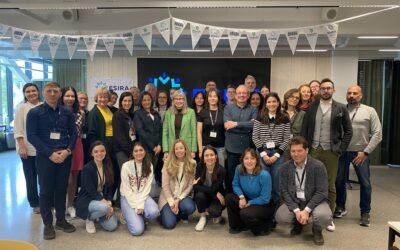
AZ ESIRA PROJEKT HARMADIK KÖZGYŰLÉSÉT NORVÉGIÁBAN TARTOTTÁK
Az ESIRA projekt (Enhancing Social Inclusion and Rural Areas) harmadik közgyűlésére 2025. május 20–22. között került sor a norvégiai Kongsvingerben. A rendezvény házigazdái a helyi partnerek, az Inland Norway University of Applied Sciences (INN) és Innlandet megye...
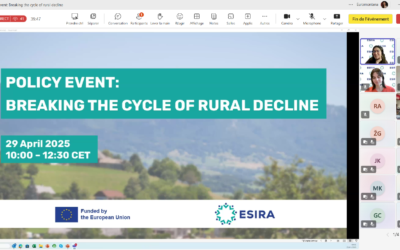
A VIDÉKI TÉRSÉGEK HANYATLÁSI CIKLUSÁNAK MEGTÖRÉSE: AZ ESIRA MEGTARTOTTA ELSŐ SZAKPOLITIKAI WORKSHOPJÁT
Hogyan fordíthatjuk meg a vidéki térségek hanyatlásának ciklusát? Hogyan válhatnak a szociális gazdaság szereplői a megoldás részévé? Ezek voltak a központi kérdések 2025. április 29-én, az ESIRA projekt első szakpolitikai workshopján, amelynek címe „A vidéki térségek...
REGIONAL REPORT: BURGOS, SPAIN
The aim of this report is to provide a social and economic diagnosis of rural areas and the rural populations of the Spanish ESIRA partner areas. These reports will act as the basis of D4.1, “Benchmark study on social exclusion in rural areas,” and D4.2, “multi-level...

JEGYEZZE FEL A DÁTUMOT! A VIDÉKI TÉRSÉGEK HANYATLÁSI CIKLUSÁNAK MEGTÖRÉSE: ESIRA SZAKPOLITIKAI ESEMÉNY 2025. ÁPRILIS 29-ÉN
Az Európai Unió vidéki közösségei egy önmagát erősítő hanyatlási ciklussal néznek szembe. A munkahelyek hiánya és az olyan alapvető szolgáltatásokhoz, mint az egészségügyi ellátás és az oktatás, való korlátozott hozzáférés elvándorláshoz vezet, különösen a fiatalok...

A RURAL LABS MINT A TÁRSADALMI INNOVÁCIÓ MÓDSZERTANA – TAPASZTALATOK, AMELYEKBŐL MINDANNYIAN TANULHATUNK!
Az ESIRA projekt keretében december 18-án került sor az első disszeminációs webináriumra „A Rural Labs mint a társadalmi innováció módszertana: elméleti alapok és gyakorlati tapasztalatok” címmel.A webinárium során a projektcsapat bemutatta az eddig elért...

MÁSODIK KÖZGYŰLÉS BUDAPESTEN: A KÖVETKEZŐ 6 HÓNAPBAN A MAP-OKON VÉGZETT MUNKA A PRIORITÁS
Október 16–17-én 8 ország 15 partneréből álló konzorcium gyűlt össze Budapesten, Magyarországon az ESIRA projekt második közgyűlésére. A kétnapos találkozó lehetőséget biztosított a munkacsomagok vezetői számára, hogy bemutassák az elért előrehaladásról szóló...

REGISZTRÁCIÓ A XIII. EURÓPAI HEGYVIDÉKI KONVENCIÓRA
XIII. Európai Hegyi Konvenció „A hegyvidéki gazdaságok jövőjének alakítása” | 2024. október 15–18., Puigcerdà (Katalónia) A hegyvidéki gazdaságok olyan gazdasági ágazatokra épülnek, amelyek a hegyvidéki térségek meghatározó mozgatórugói, munkalehetőséget biztosítanak...

ESTABLISHMENT OF SPANISH MAP MARKS NEW ERA FOR SOCIAL INNOVATION IN PINARES BURGOS
On Friday, June 14th, more than forty people met in Hontoria del Pinar, a village in the heart of the Pinares Burgos-Soria region, to establish the Spanish Multi-Actor Platform (MAP). This platform will lead and promote the ESIRA social innovation initiatives across...
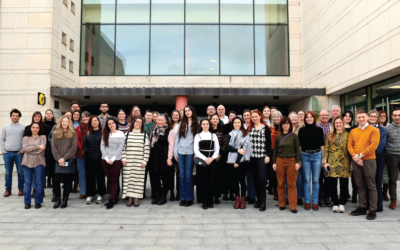
AZ ESIRA-PROJEKT NYITÓ TALÁLKOZÓJÁT BURGOSBAN TARTOTTÁK MEG
8 ország 15 partneréből álló konzorcium indította el az ESIRA projektet, amelynek fő célja a vidéki lakosság társadalmi-gazdasági helyzetének javítása! A partnerek részt vettek a január 17-én és 18-án a spanyolországi Burgosban tartott nyitó találkozón. A találkozót...