
druskininkai
LithuaniaABOUT PILOT AREA
Druskininkai municipality is located in southern Lithuania, within Alytus County, bordering Belarus and situated close to the Polish border. The municipality consists of the resort town of Druskininkai and two rural elderships. The area is characterised by extensive forest cover, which makes up nearly 70% of the territory, while agricultural land accounts for only about one fifth and is generally of low productivity. As a result, traditional large-scale agriculture plays a limited role, and forest-related activities, tourism, and services are more prominent.
In 2021, the municipality had around 19,000 residents. While the overall population has declined over the past decade, some larger rural centres, have experienced population growth, contrasting with depopulation in smaller villages. The region is sparsely populated, with a population density significantly lower than the national average, and faces demographic challenges related to population ageing and negative natural population change.
Economically, Druskininkai is dominated by the tourism-oriented service sector, reflecting its long-standing status as a health resort. While this creates employment opportunities, wages remain below national averages, and unemployment – particularly among working-age men – remains relatively high. Industrial and agricultural development is limited due to environmental restrictions associated with the resort status and border location. Key challenges for the region include ageing demographics, labour market imbalances, access to healthcare services, and the need to strengthen social inclusion and diversify the local economy, particularly in rural areas.
ABOUT VULNERABLE GROUPS OF THE PILOT AREA
Druskininkai LAG has identified three main target groups for which economic activation and employment promotion are particularly relevant:
1. Low-income rural residents. This group includes people living in the rural areas of Druskininkai municipality who receive minimal or below-average income due to limited local job opportunities, low levels of entrepreneurship, and generally low economic activity.
2. Economically inactive rural youth. These are young people who are not employed and not studying, often lacking motivation, qualifications, or knowledge about potential self-employment or income-generating opportunities in rural areas. Their involvement is crucial for ensuring long-term local vitality and demographic balance.
3. Elderly residents living in rural areas. This group consists of pensioners or pre-retirement individuals who often receive small pensions and have limited opportunities to participate in the labour market. Many of them possess valuable experience, skills, and knowledge that can be used for additional income-generating or community-based activities.
NEWS/OUTCOMES
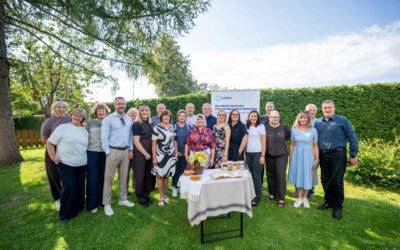
ESIRA MAP Meeting: Advancing Social Innovation in the Druskininkai Region
On 9 September 2026, the Institute of Economics and Rural Development at the Lithuanian Centre for Social Sciences, together with the Druskininkai Local Action Group, organised an ESIRA project (Enhancing Social Innovation in Rural Areas) MAP (Multi-Actor Platform)...
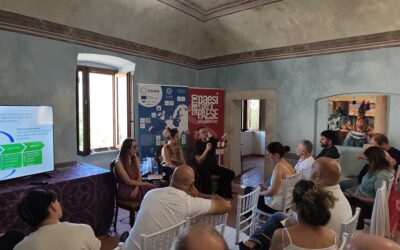
ESIRA presented at the Community-based Cooperatives Festival in Abruzzo
From 4 to 6 September 2026, Borghi IN Rete organised the Community-based Cooperatives Festival in Abruzzo, Italy, bringing together community cooperatives, local communities, institutions, organisations and researchers working to strengthen the social and economic...
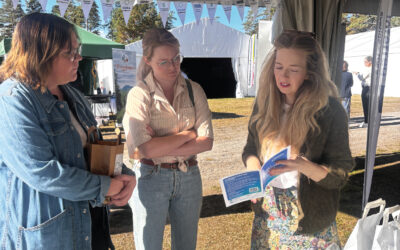
ESIRA stand attracts strong interest at Grensedagarna BRIDGE
This week, the Norwegian ESIRA-team participated in the Norwegian-Swedish cross-border event Grensedagarna BRIDGE at Morokulien. Together with Innlandsstatistikk and Innlandet County Council, the project presented ongoing activities in the Kongsvinger...
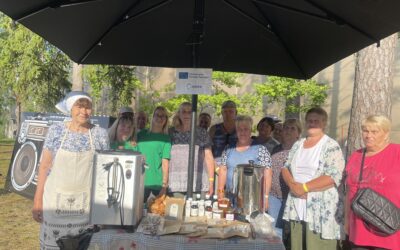
ESIRA Regional Dissemination Workshop in Druskininkai Showcases Community-Led Social Innovation
On 26 June 2026, the ESIRA Regional Dissemination Workshop “Social Innovation in Rural Areas: Results of Implemented Social Initiatives and Future Opportunities” took place in Druskininkai Municipality, Lithuania. The event brought together more than 100 participants,...
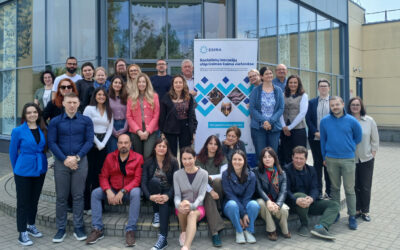
The Fifth General Assembly was held in Lithuania
The Fifth General Assembly of the ESIRA project was held from May 19 to 22, 2026, in Druskininkai, Lithuania. The meeting was organized by the Lithuanian Centre for Social Sciences and Druskininkai Local Action Group. Over three days, partners reviewed ESIRA progress,...
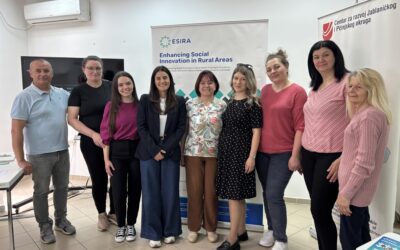
ESIRA Regional Dissemination Workshop in Leskovac Highlights Support for Rural Women Entrepreneurs
A regional dissemination workshop was held on 11 May 2026 in Leskovac, Serbia, bringing together women entrepreneurs from rural areas, representatives of local development institutions, entrepreneurship experts, and specialists in marketing, branding, and business...
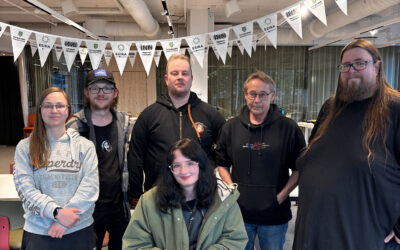
ARENA_Gaming Kongsvinger officially established
ARENA_Gaming Kongsvinger, a pilot from the Norwegian partner in ESIRA, was formally established as a non-profit association on 4 May. As a community-driven and non-commercial initiative, ARENA_Gaming represents a clear social economy initiative, aiming to create an...
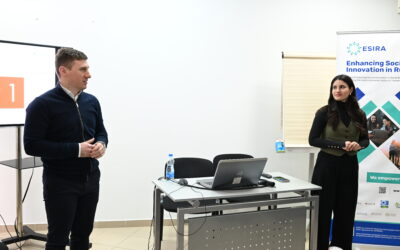
INITIATIVE TO SUPPORT WOMEN-LED RURAL BUSINESSES LAUNCHED IN LESKOVAC
An initiative aimed at strengthening small women-led businesses from rural areas was launched on 18 February 2026 in Leskovac. The event was organized by the Institute for Development and Innovation (IRI), together with the Center for Development of Jablanica and...

STRENGTHENING THE SOCIAL ECONOMY IN REGIONS: DRUSKININKAI RURAL AREA
On December 8–9, 2025, the Institute of Economics and Rural Development of the Lithuanian Center for Social Sciences, together with the Druskininkai Local Action Group, organized a two-day ESIRA project working meeting. The event brought together representatives of...

ESIRA project held scientific dissemination workshop and Community of Practice session on rural innovation
The ESIRA project successfully organized its final Scientific Dissemination Workshop for this year, titled “From Collaboration to Action: How Multi-Actor Platforms Shape Rural Innovation”, followed by a Community of Practice (CoP) session entitled “Lessons Learned and...