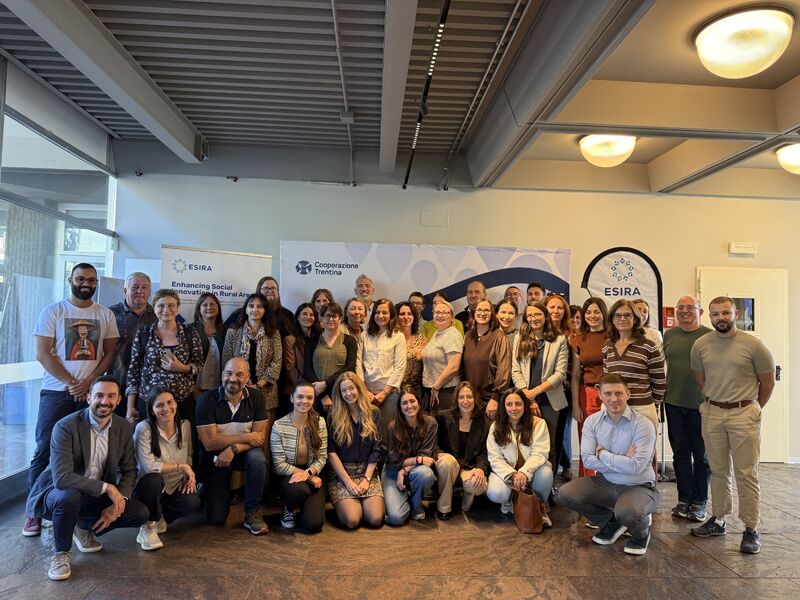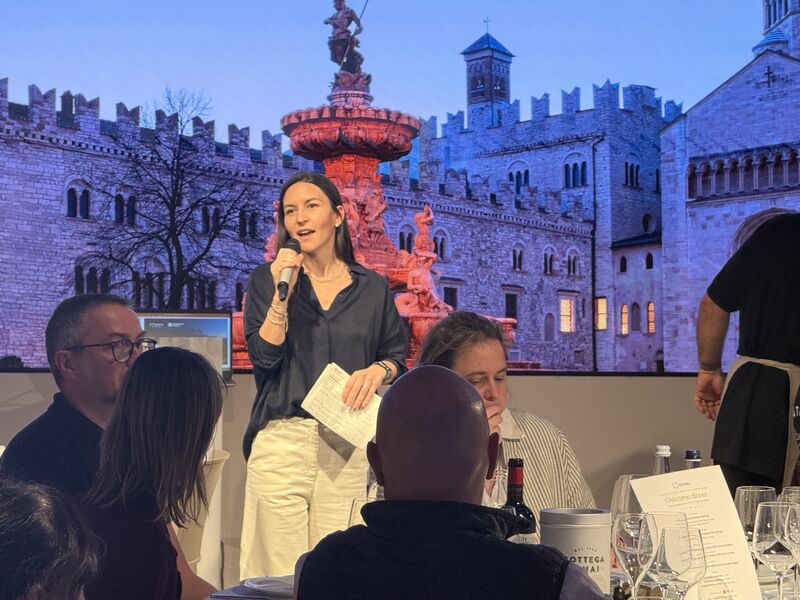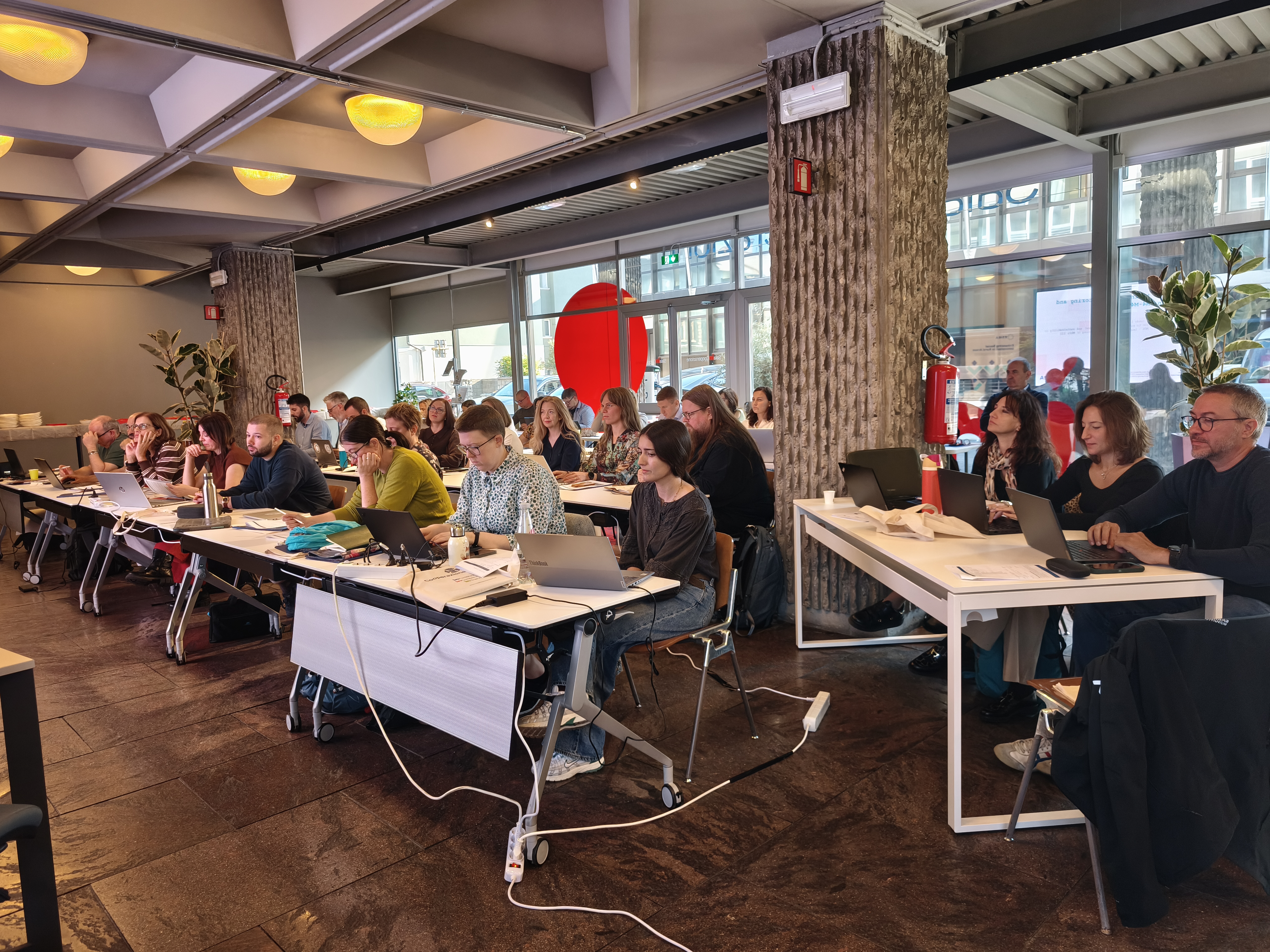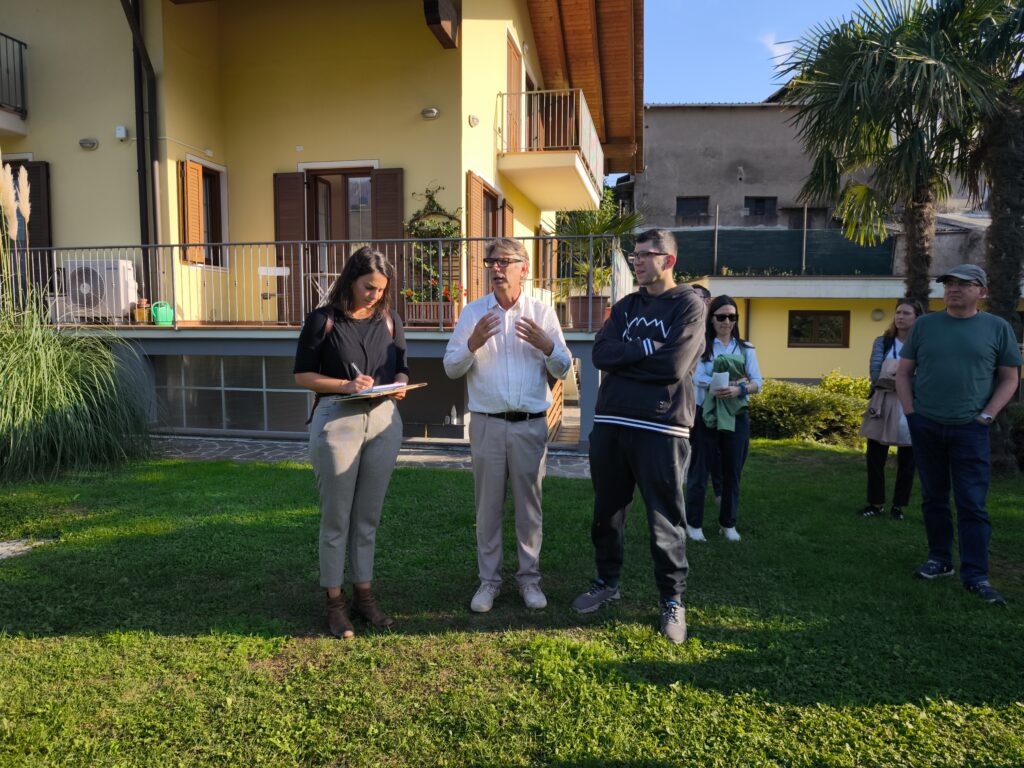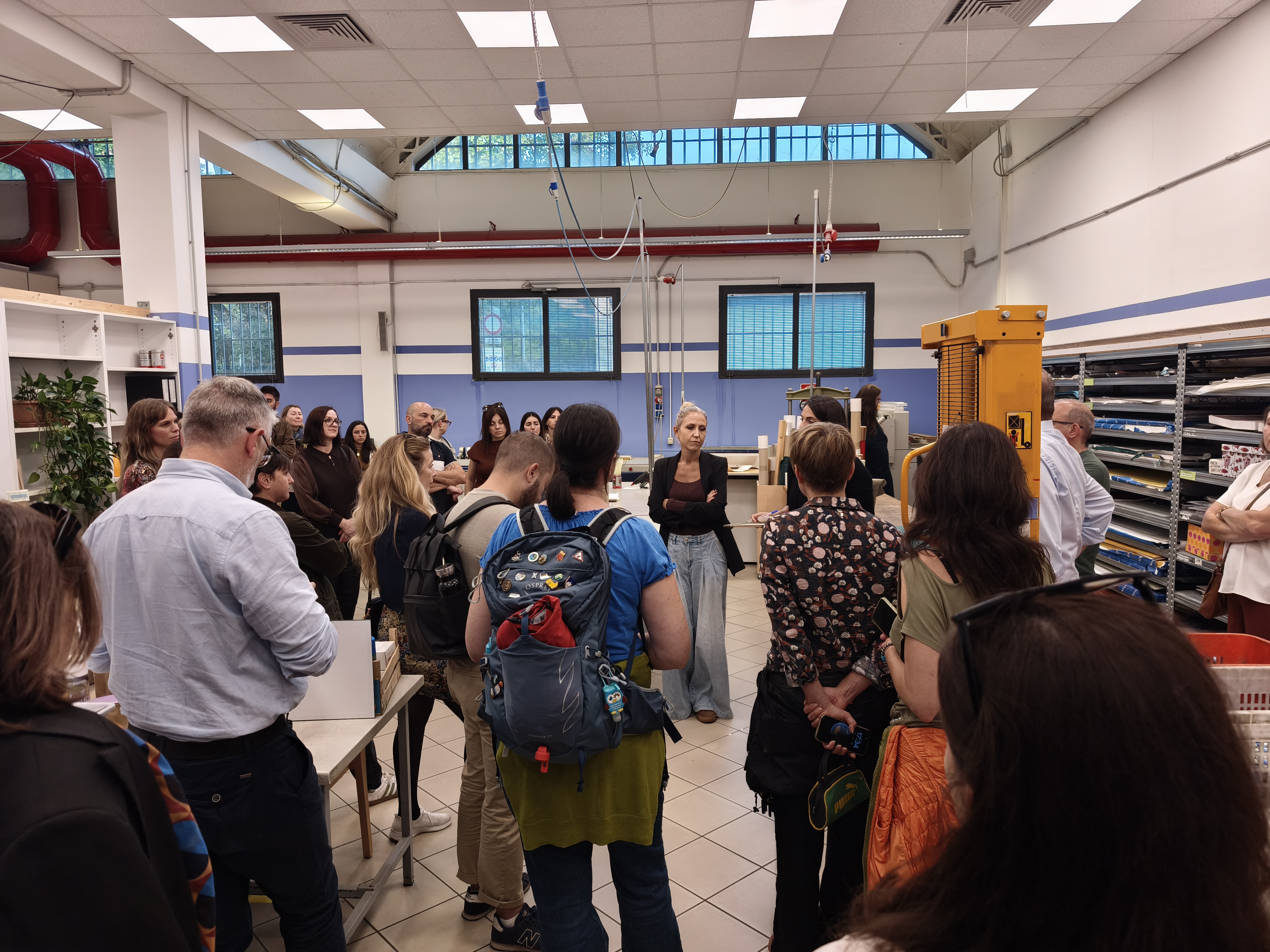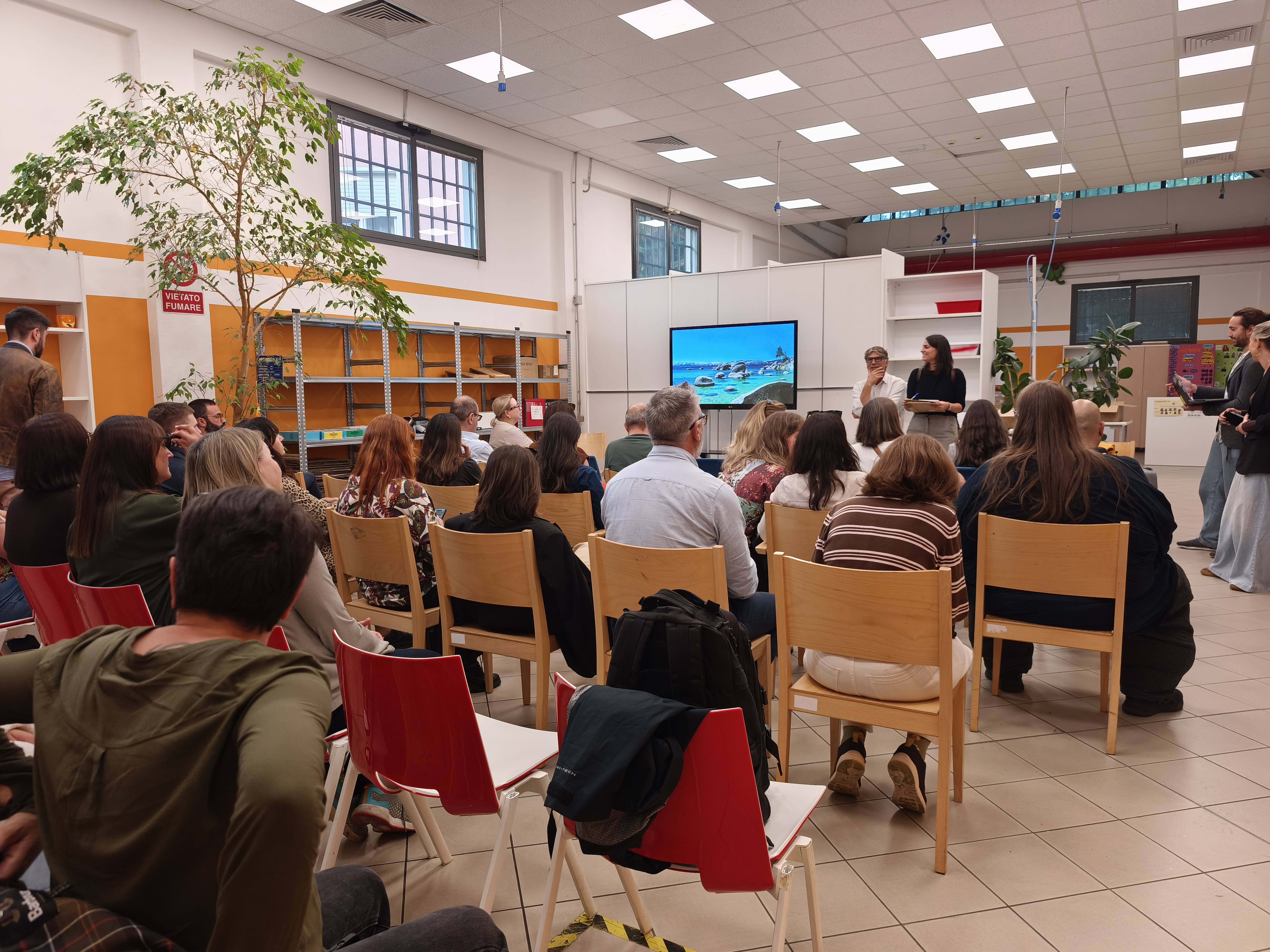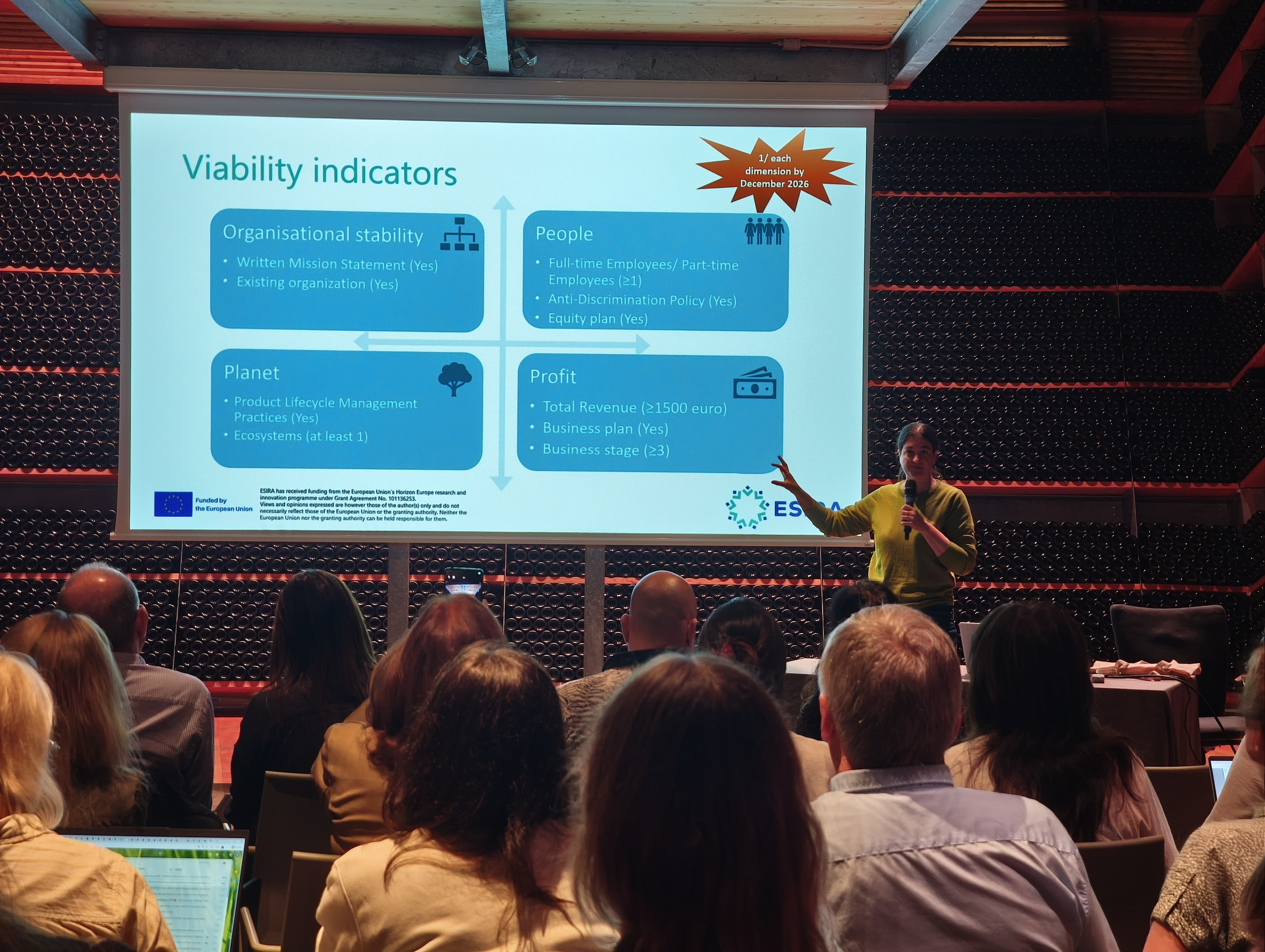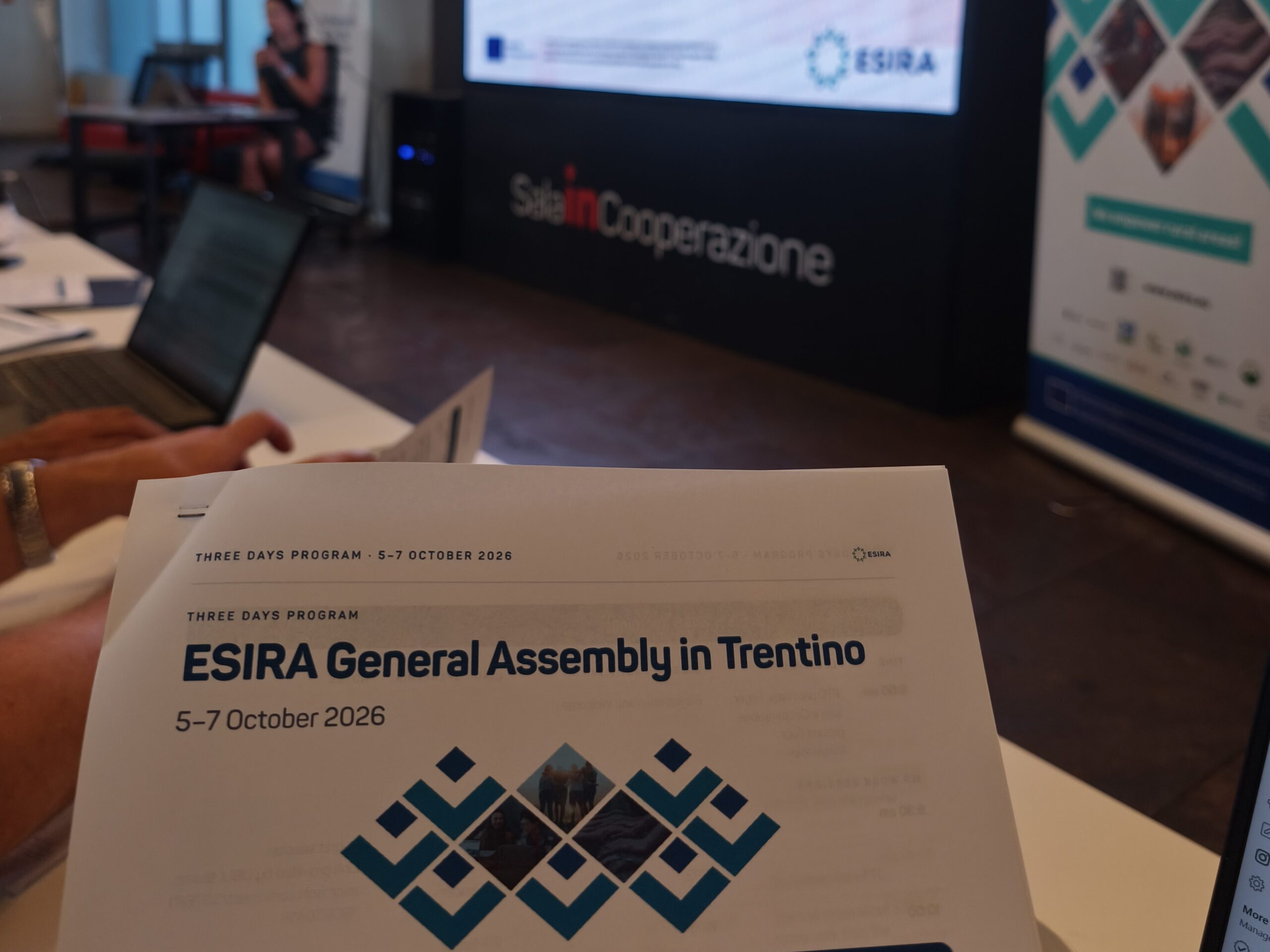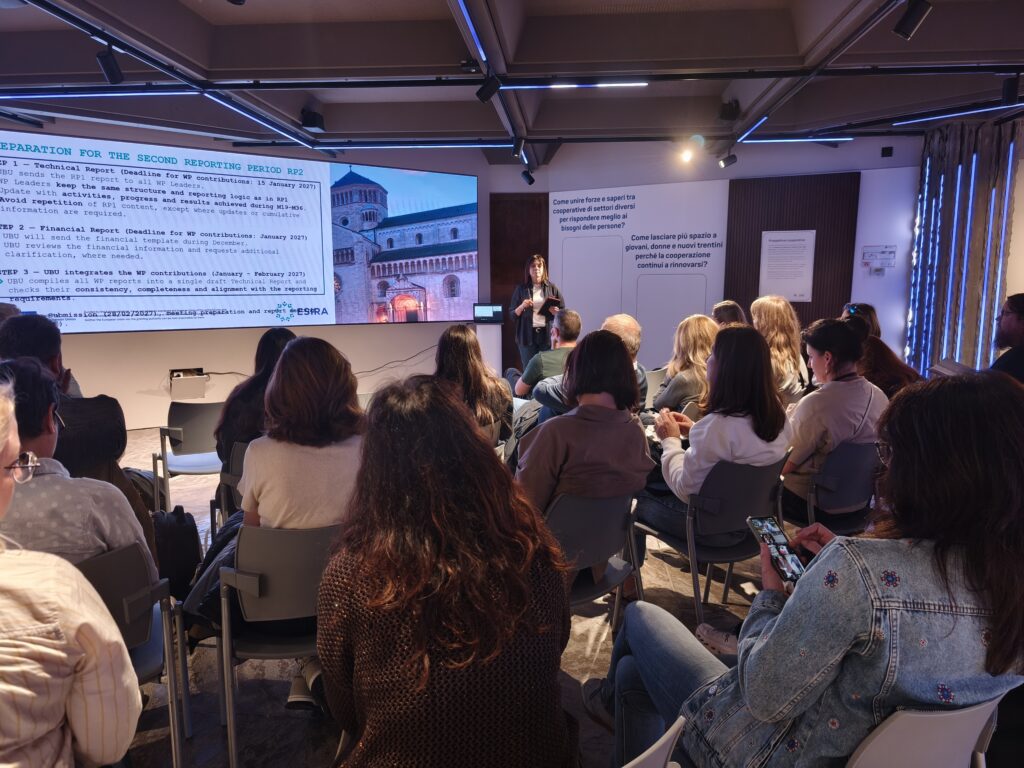
The Sixth General Assembly of the ESIRA project took place in Trento, Italy, from 5 to 7 October 2026, bringing together project partners to review ongoing activities, discuss upcoming tasks and exchange experiences on social innovation in rural areas. Hosted by Federazione Trentina della Cooperazione (FTC), EURICSE and Borghi IN, the meeting combined project working sessions with study visits showcasing how cooperatives and social economy initiatives contribute to local development, social inclusion and the energy transition.
A key focus of the meeting was the cooperative system in the Trentino region, which has a history of more than 130 years. Today, the region has 429 cooperatives with over 300,000 members among a population of approximately 541,000. Cooperatives operate across a wide range of sectors, including agriculture, food production, banking, energy, tourism, social services and housing. Owned and governed by their members, they benefit from institutional, legal, financial and professional support provided by Federazione Trentina della Cooperazione. More than 90% of Trentino’s agri-food production comes from the cooperative system, demonstrating the role cooperatives can play in strengthening local economies and helping small producers remain competitive.
The programme included a presentation of Etika, an initiative connecting the energy sector, cooperatives and social organisations. Through its electricity and gas supply model, Etika combines economic and environmental benefits with funding for social projects, particularly those supporting people with disabilities and their independent living.
Participants then visited Rovereto to explore initiatives developed by Impronte Social Cooperative. The visits to Countryhouse Verso and Bardiverso showcased examples of social entrepreneurship that combine hospitality and tourism with employment opportunities for people with disabilities and other vulnerable groups. These initiatives demonstrated how social enterprises can create economic opportunities while promoting participation and inclusion.
Another study visit introduced participants to CER Solidale Trentina (CERST) and its renewable energy community model. The cooperative brings together citizens, businesses and institutions to produce and use renewable energy collectively, directing part of the resulting income towards local social projects. This example illustrated how the energy transition can also support social inclusion and strengthen community engagement.
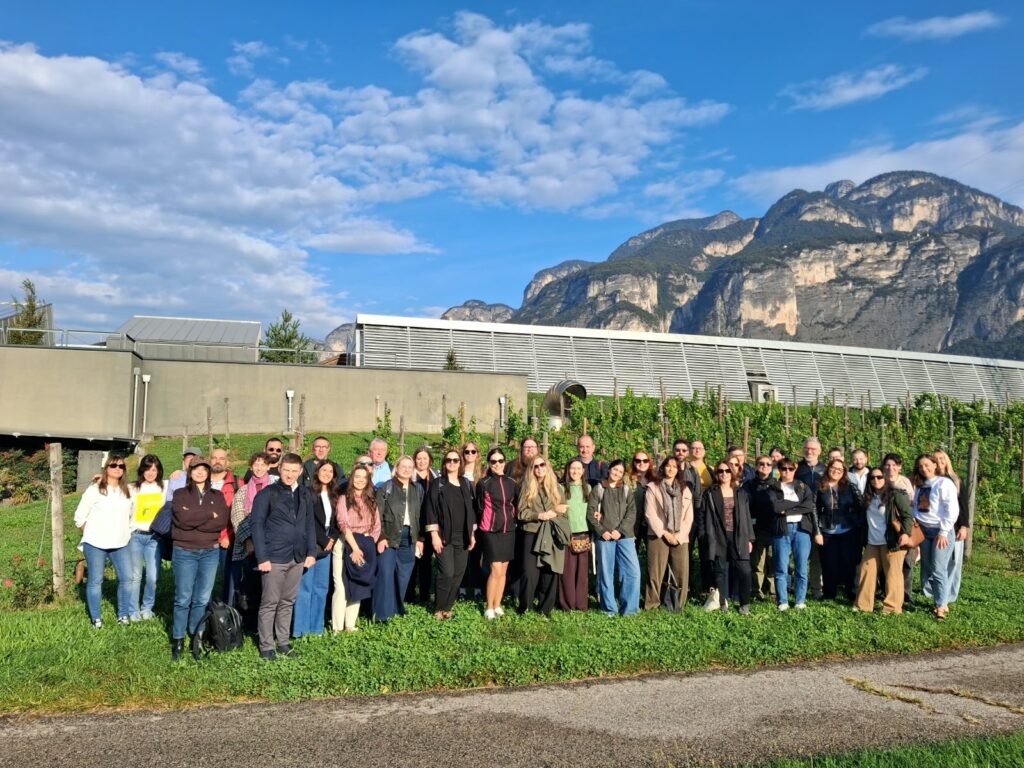
The programme continued with a visit to Mezzacorona, one of Italy’s well-known wine cooperatives, which brings together more than 1,500 wine-growing families. The visit offered insights into how producers can pool resources, organise production and processing, and access markets collectively. The example highlighted how cooperative structures can support both local livelihoods and economic competitiveness.
Social inclusion was also addressed through the Trento City Roundtable “Graziella Anesi”, dedicated to the inclusion of people with disabilities. Its public session presented a participatory project supported by ESIRA to develop a new information portal on disability. Under the theme “One click for inclusion: a portal as a tool for independence and rights”, the initiative explored how digital tools can improve access to information, support independent living and strengthen participation.
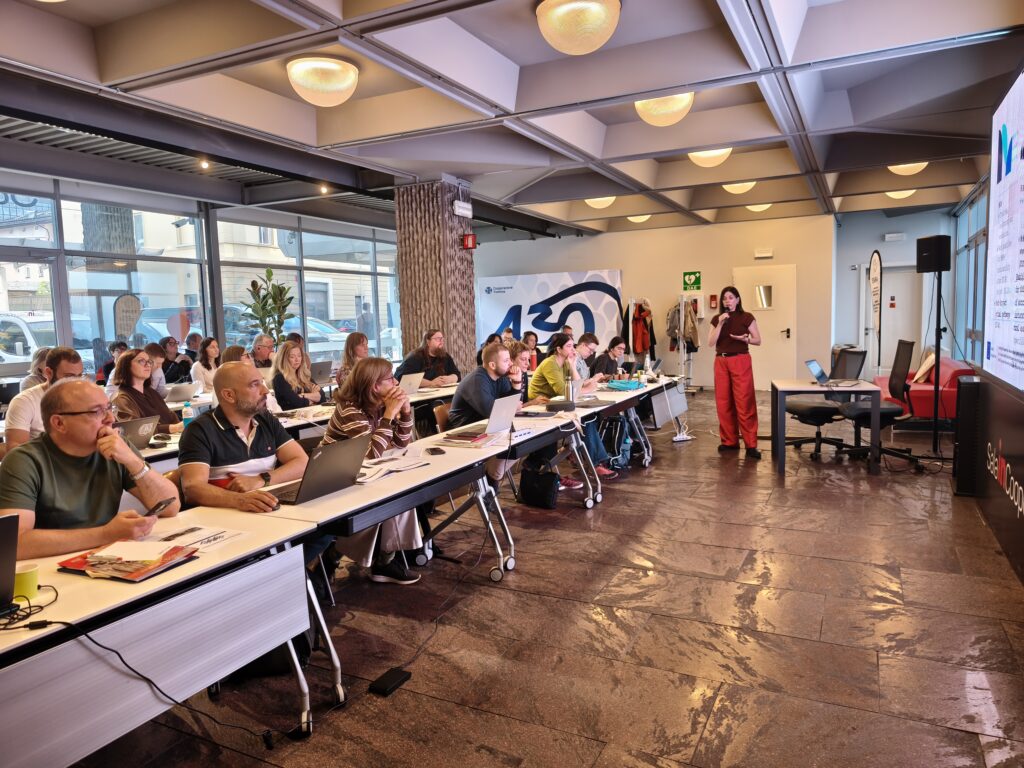
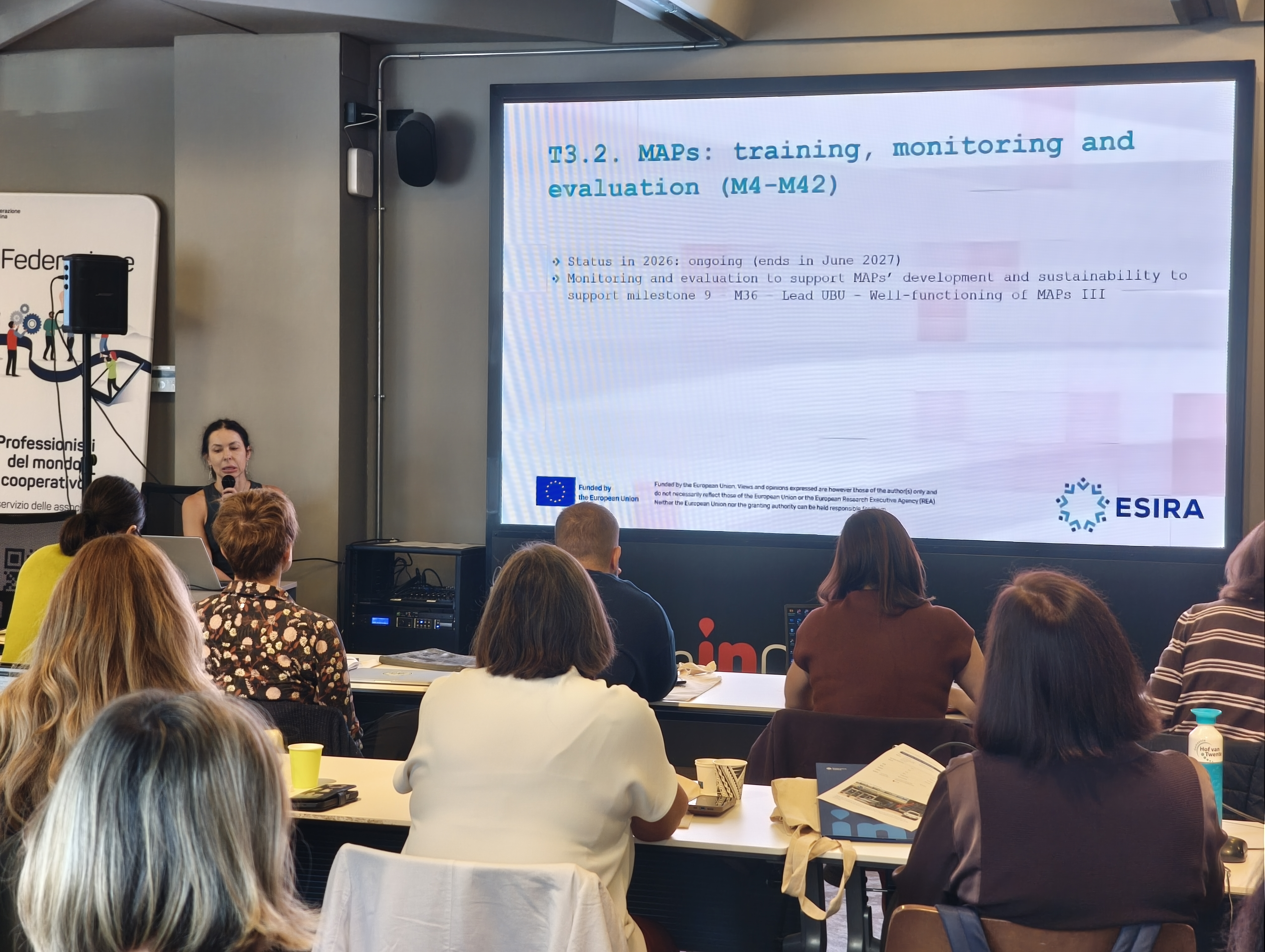
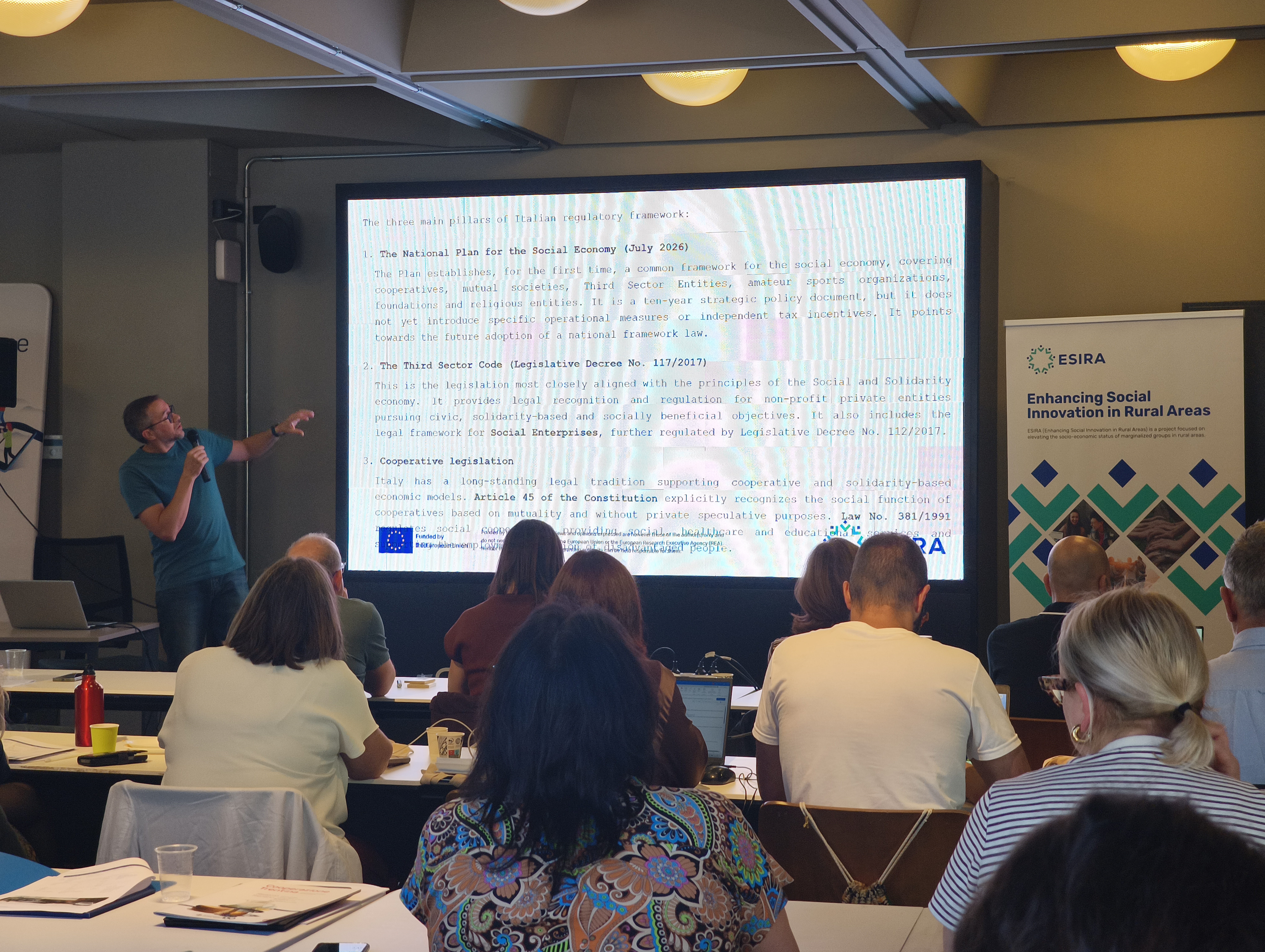
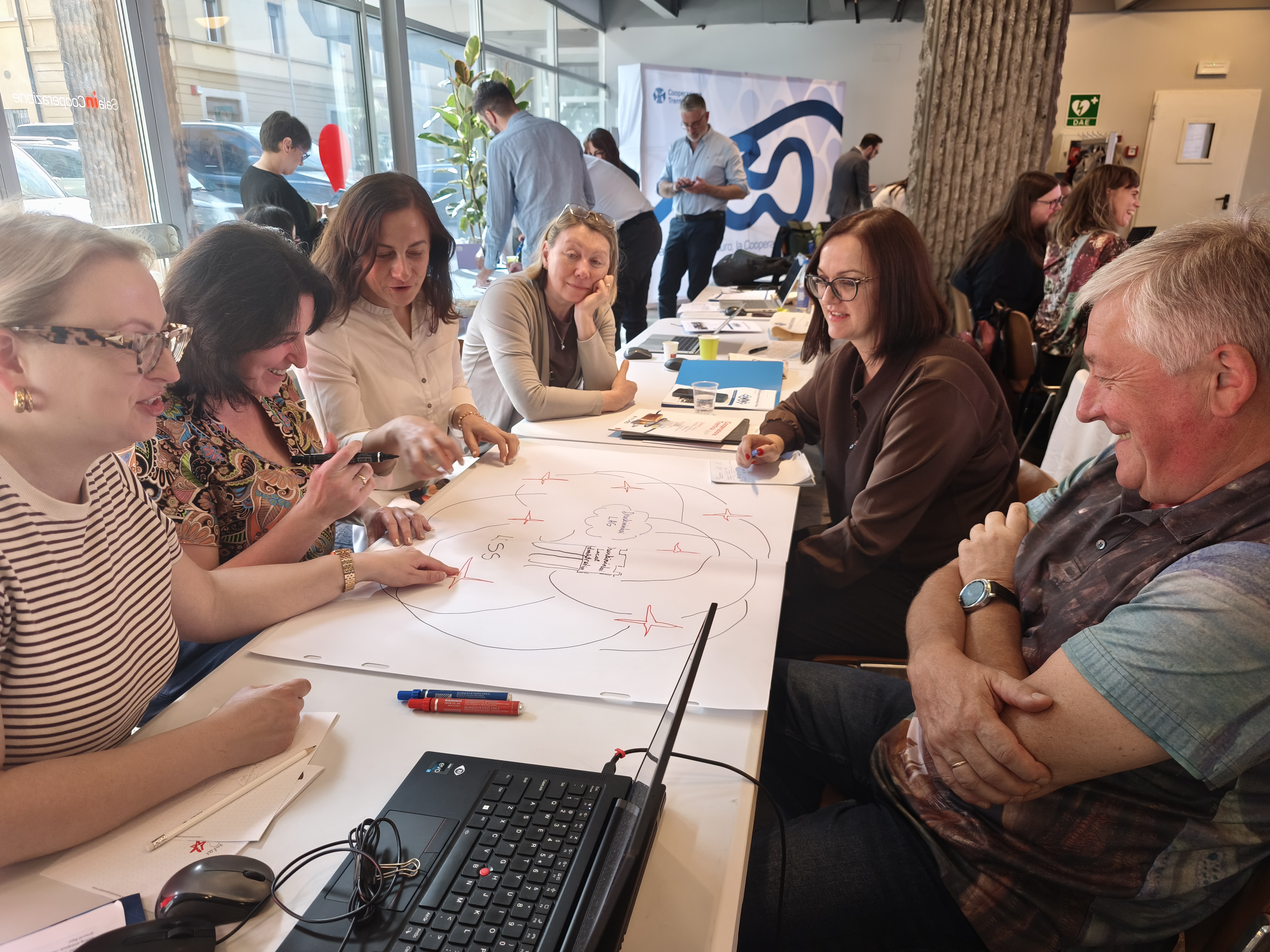
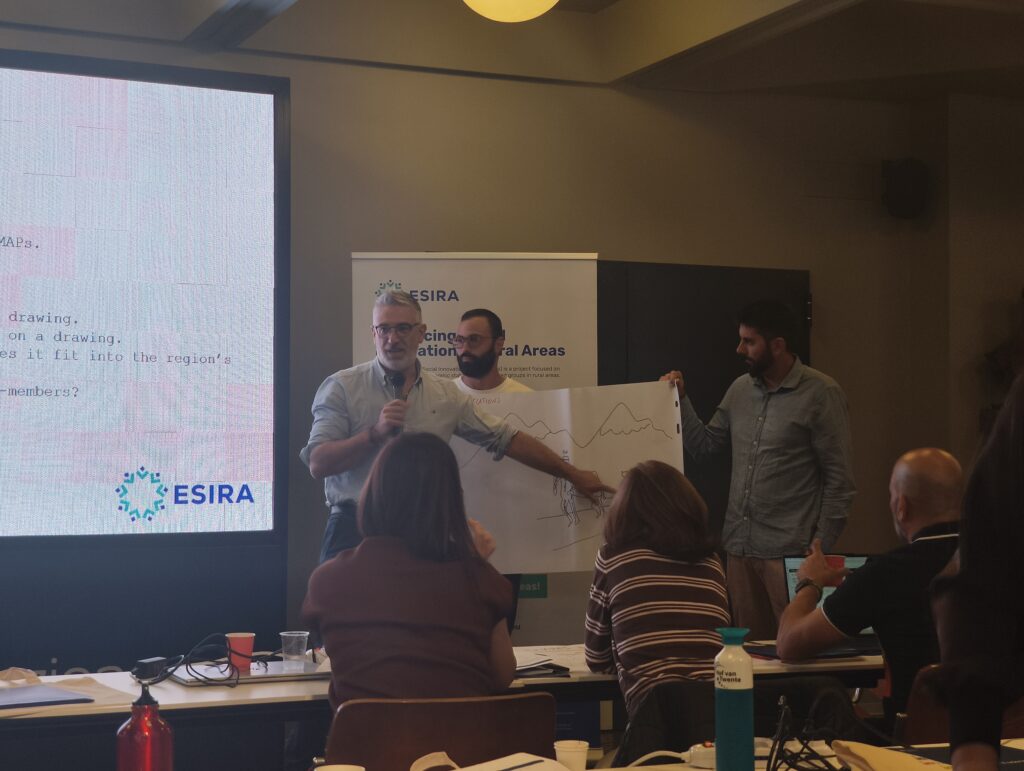
Alongside the study visits, project partners held working sessions to review progress across ESIRA’s work packages, exchange experiences from project activities and discuss priorities for the upcoming implementation period.
Discussions covered the project’s ongoing activities, evaluation, dissemination and exploitation of results, as well as the next steps towards strengthening the sustainability and wider application of social innovation solutions developed within ESIRA.
The General Assembly provided an important opportunity to connect practical experiences from Trentino with the broader objectives of the project, encouraging partners to reflect on how successful approaches could be adapted to different rural contexts across Europe.The examples from Trentino demonstrated how cooperatives, social enterprises, renewable energy communities and participatory initiatives can respond to local needs while connecting economic development with social inclusion. By combining shared ownership, collective decision-making and cooperation across sectors, these models offer valuable insights for ESIRA partners exploring ways to strengthen social innovation in rural areas across Europe.