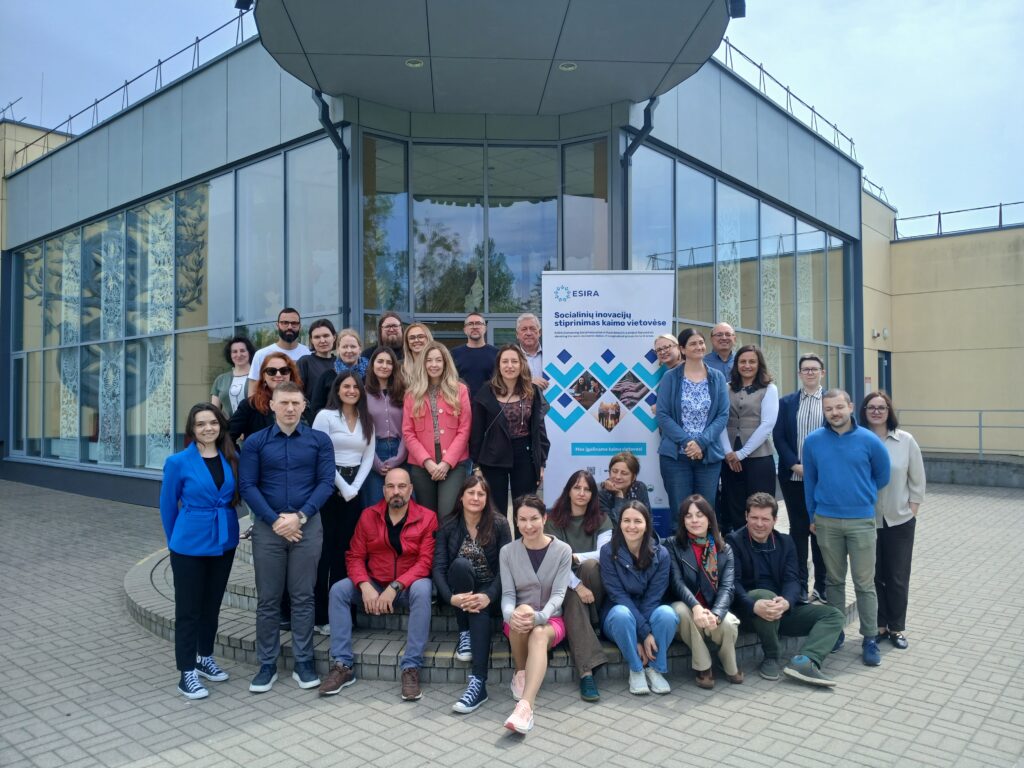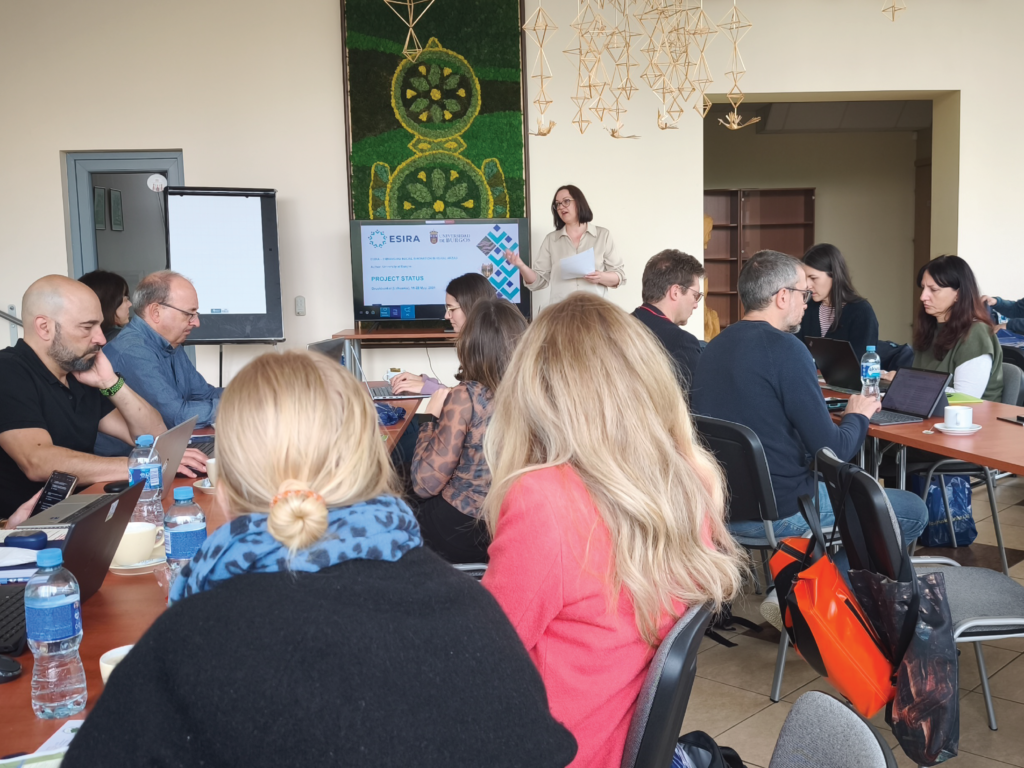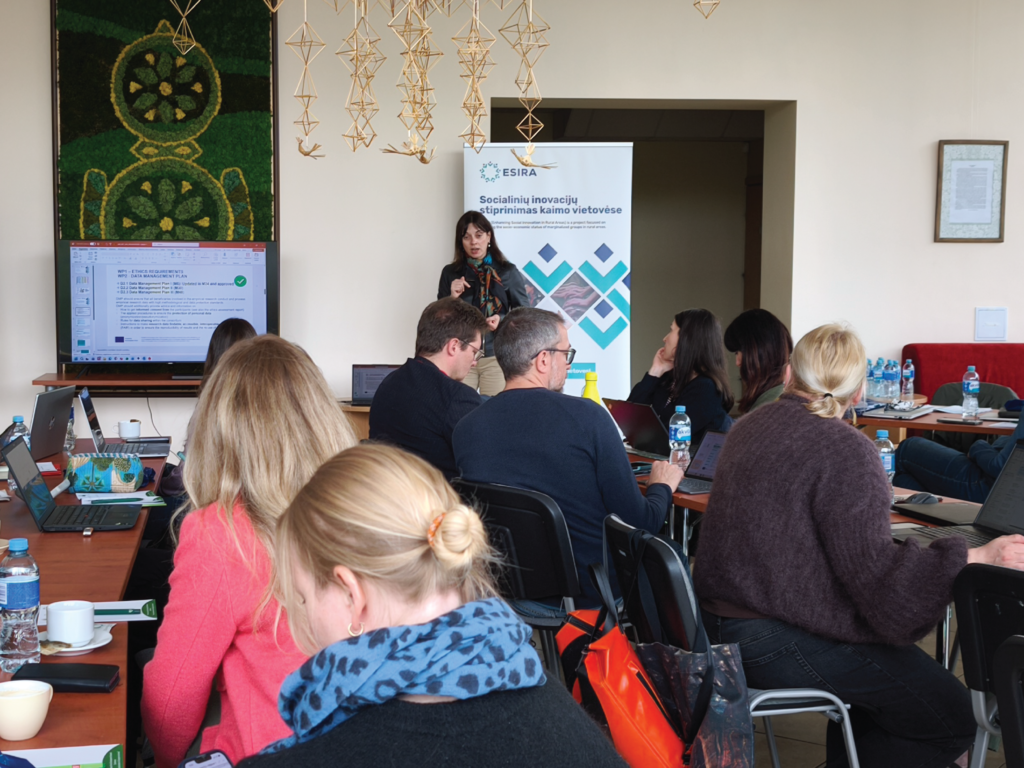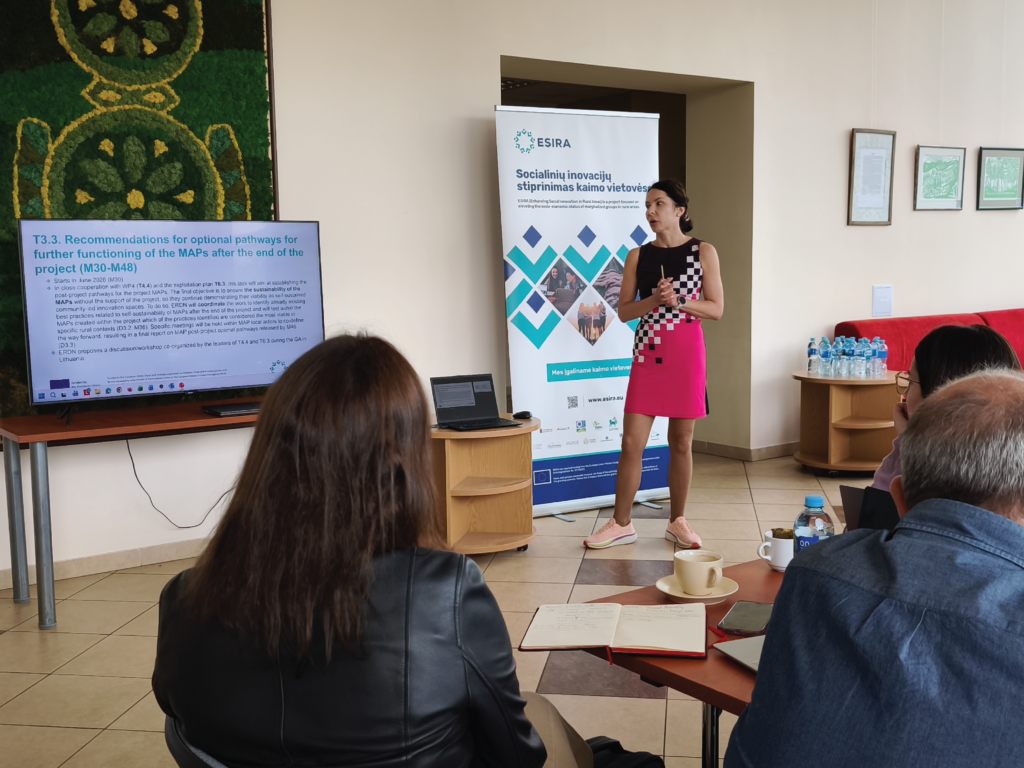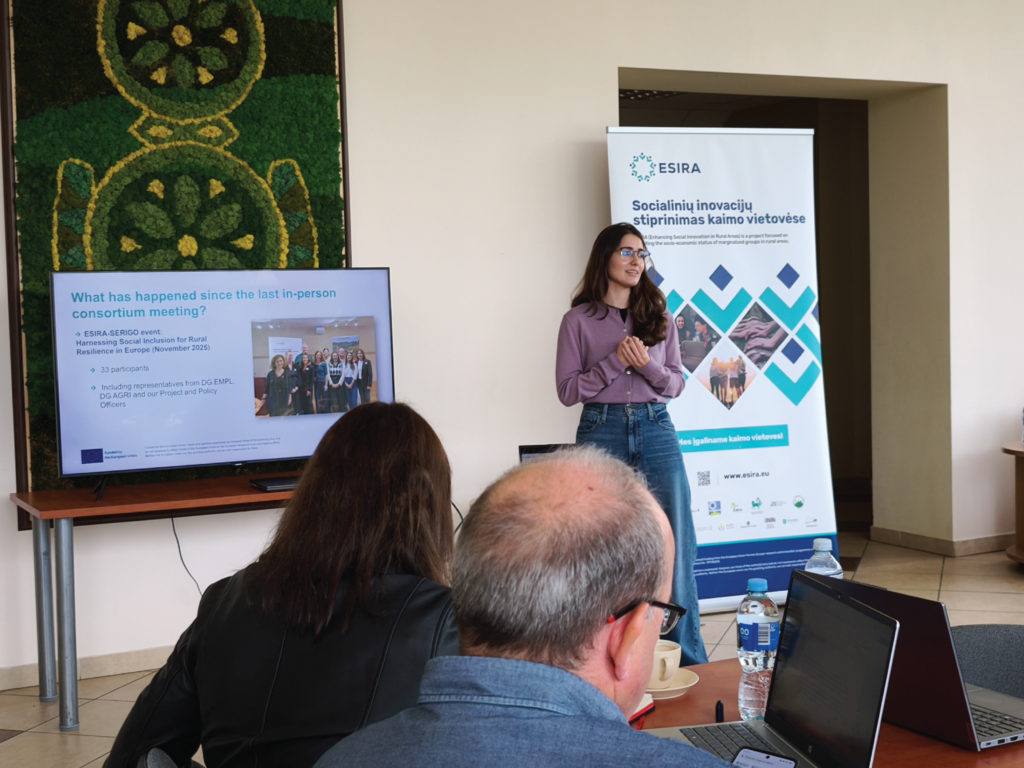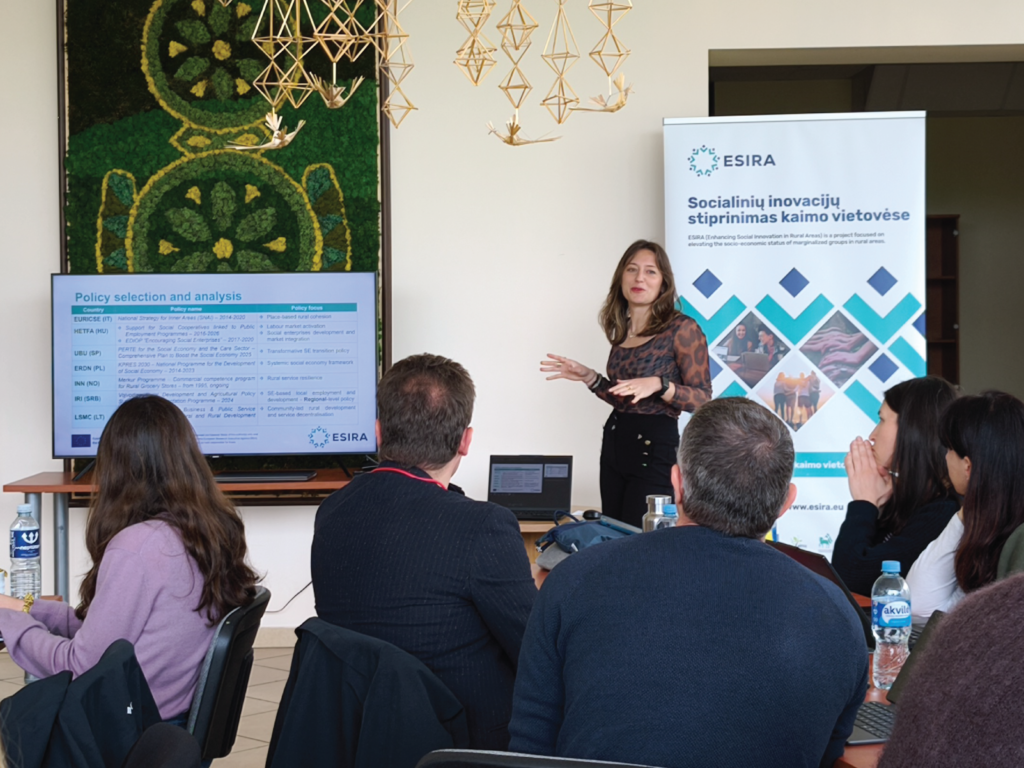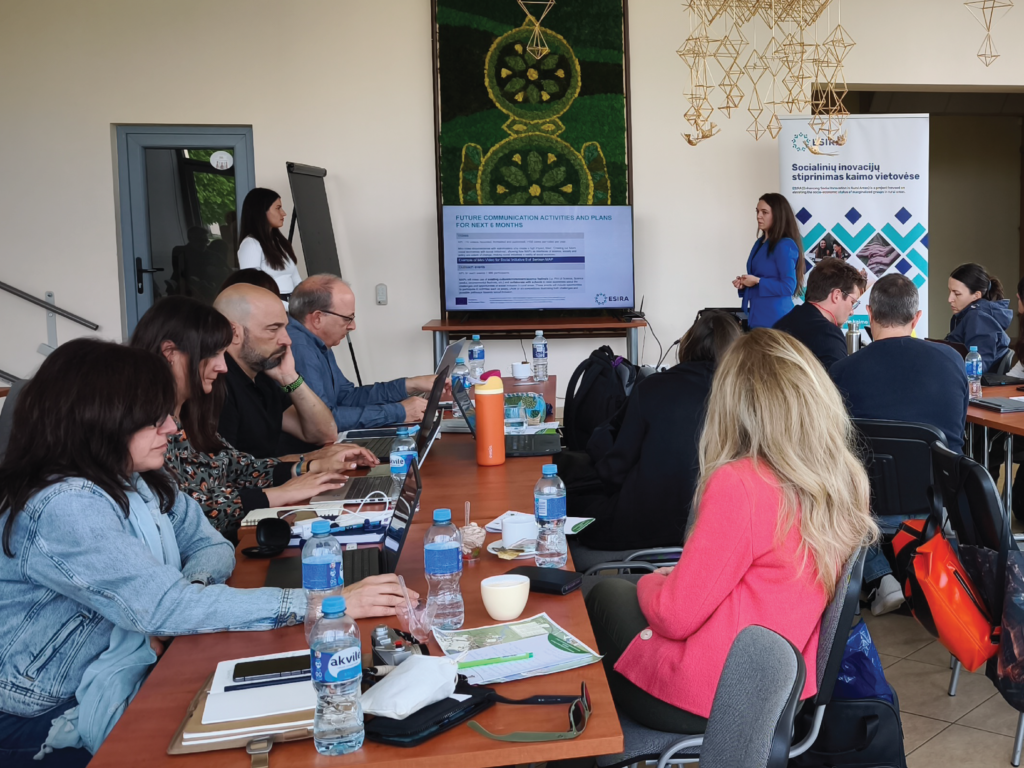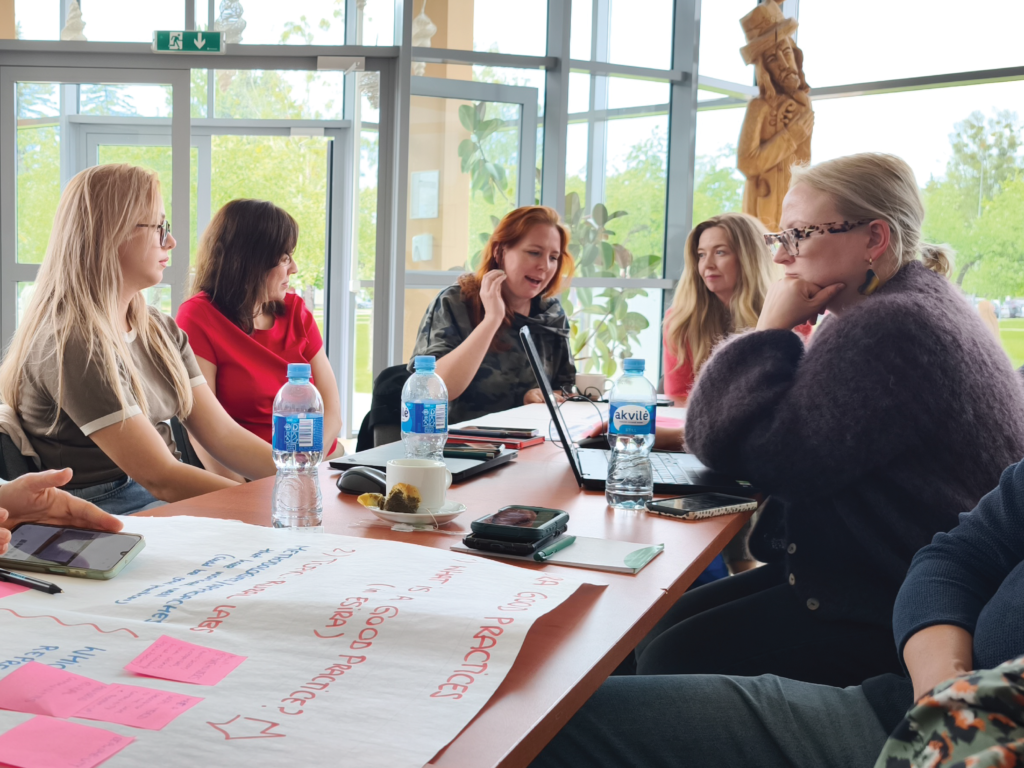
The Fifth General Assembly of the ESIRA project was held from May 19 to 22, 2026, in Druskininkai, Lithuania. The meeting was organized by the Lithuanian Centre for Social Sciences and Druskininkai Local Action Group.
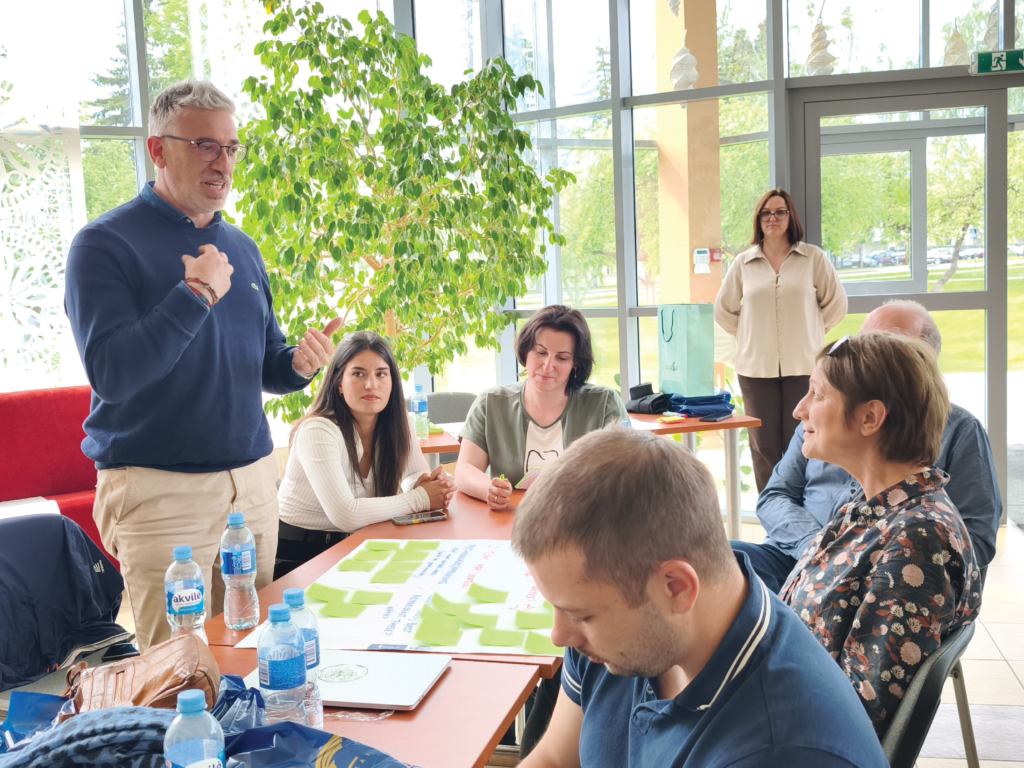
Over three days, partners reviewed ESIRA progress, discussed upcoming tasks, and coordinated implementation across all work packages. Special focus was placed on sharing good practices and aligning methodologies across different rural contexts. Through dedicated workshops on ESIRA methodologies, case studies, and innovative social economy initiatives, partners further enhanced peer learning and knowledge exchange.
In addition to the working sessions, the General Assembly included a comprehensive study visit programme showcasing social economy initiatives and community-based development models in the Druskininkai region.
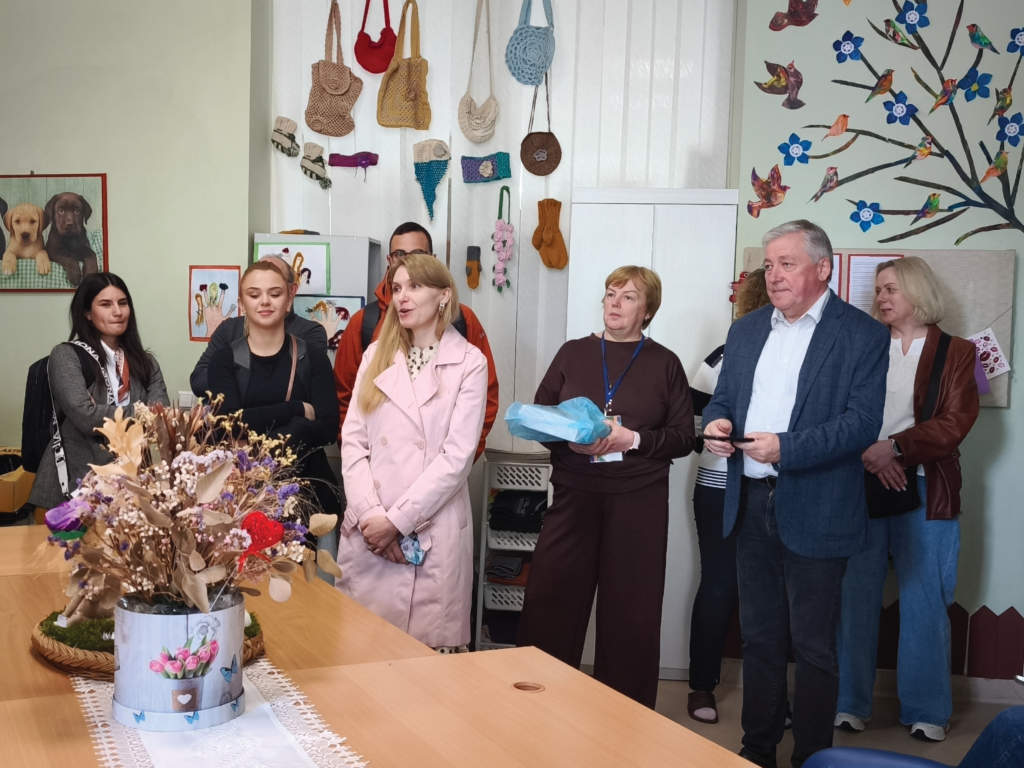
Participants visited Viečiūnai, where they were introduced to local community initiatives implemented by the Community House, including children’s activity programmes, youth engagement spaces, and intergenerational activities supported by the local community organisation “Versmė”. The visit highlighted strong community participation and the role of local initiatives in fostering social cohesion in rural areas.
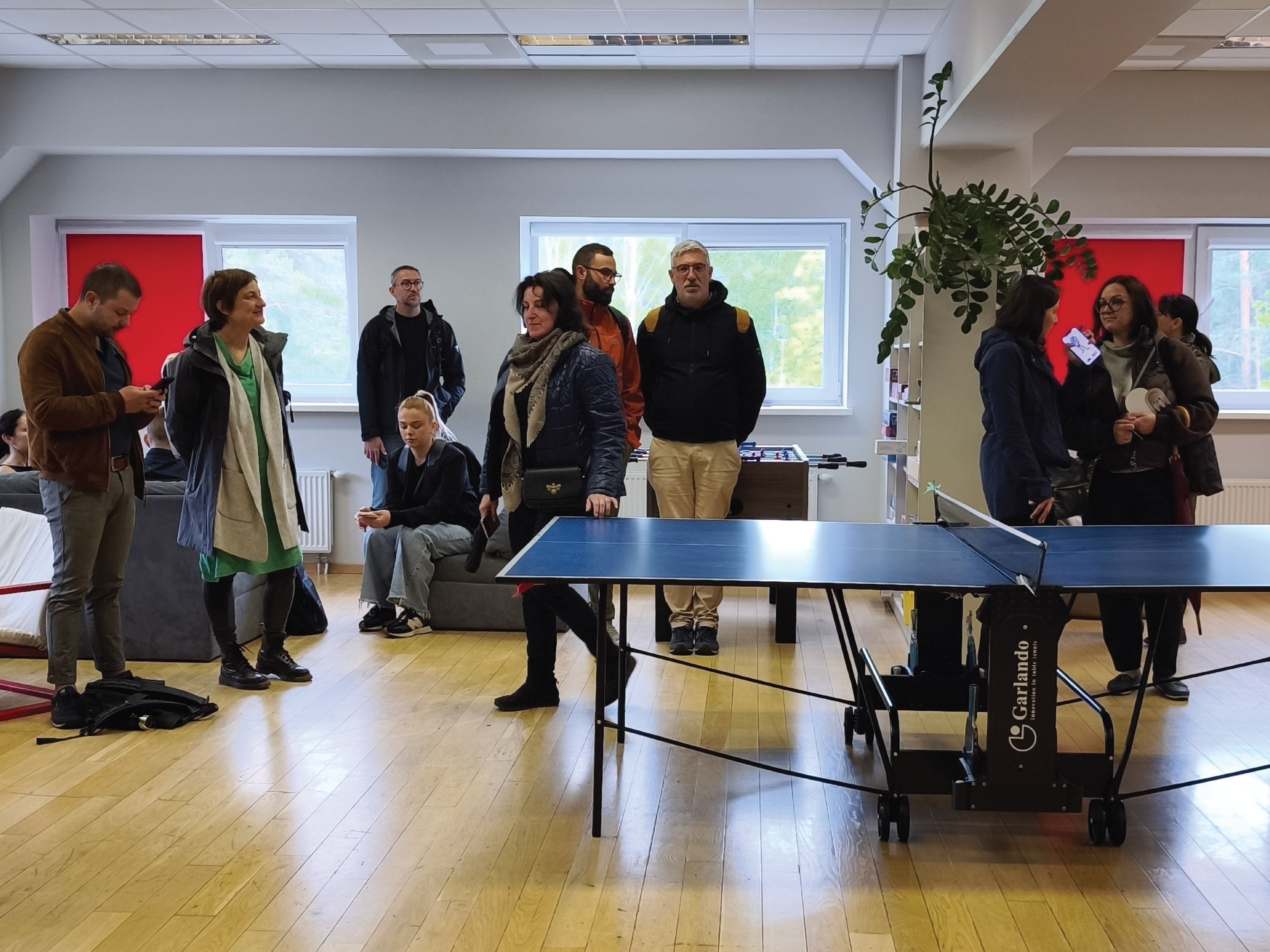
In Druskininkai, partners visited the Youth Activities Centre (JUC), the Seniors’ Club “Bočiai”, and the Social Services Centre. These organisations presented their work in the fields of youth empowerment, active ageing, and social inclusion of vulnerable groups, demonstrating practical examples of community-based social services.
The programme also included a visit to Jovaišiai village, where participants learned about local traditions, community organisation activities, and small-scale rural initiatives such as herbal production and tea tasting. The visit emphasised the importance of preserving local knowledge and strengthening rural identity.
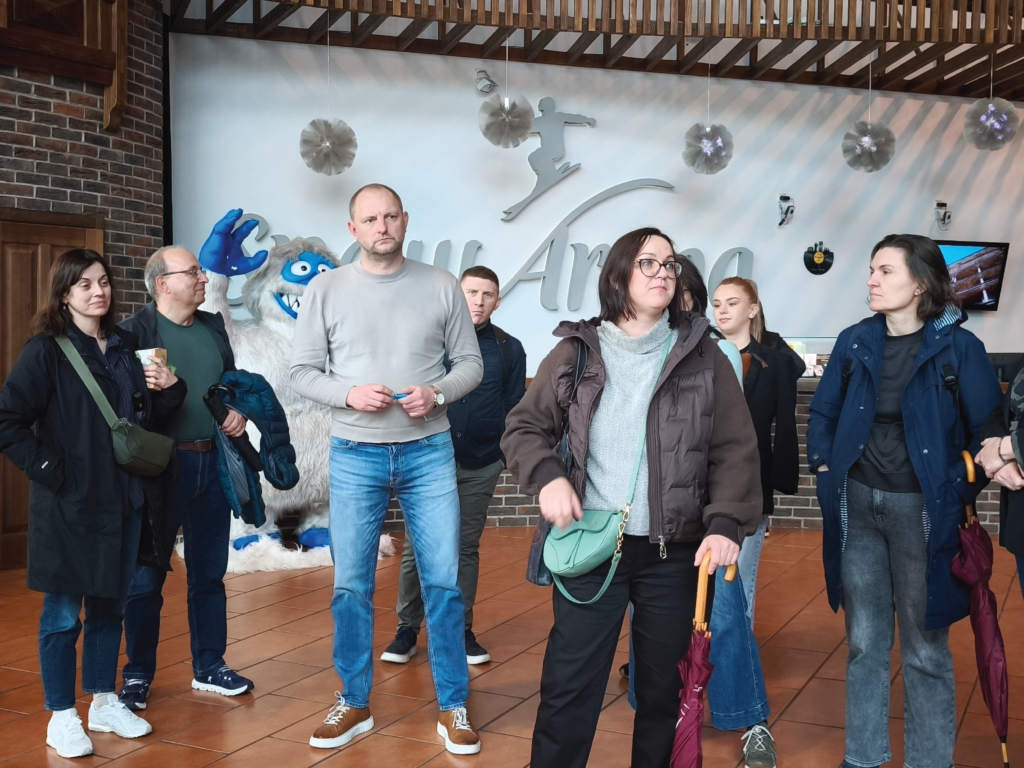
Further study visits included the Snow Arena, as an example of a tourism-driven local development model, and Leipalingis Manor, a cultural heritage site combining museum activities, education, and community engagement. Both sites demonstrated how cultural and tourism resources can contribute to local economic development and employment opportunities.
Beyond the study visits, informal networking activities, including the traditional “Griekynė” dinner and a networking at Leipalingis Manor, provided additional opportunities for exchange among partners and strengthened cooperation within the consortium.
The ESIRA project aims to improve the socio-economic inclusion of marginalized groups in rural areas by supporting social economy initiatives, strengthening local capacities, and promoting participatory approaches to rural development.
The next ESIRA General Assembly will be held in Italy and hosted by Euricse and Cooperation Trentino.