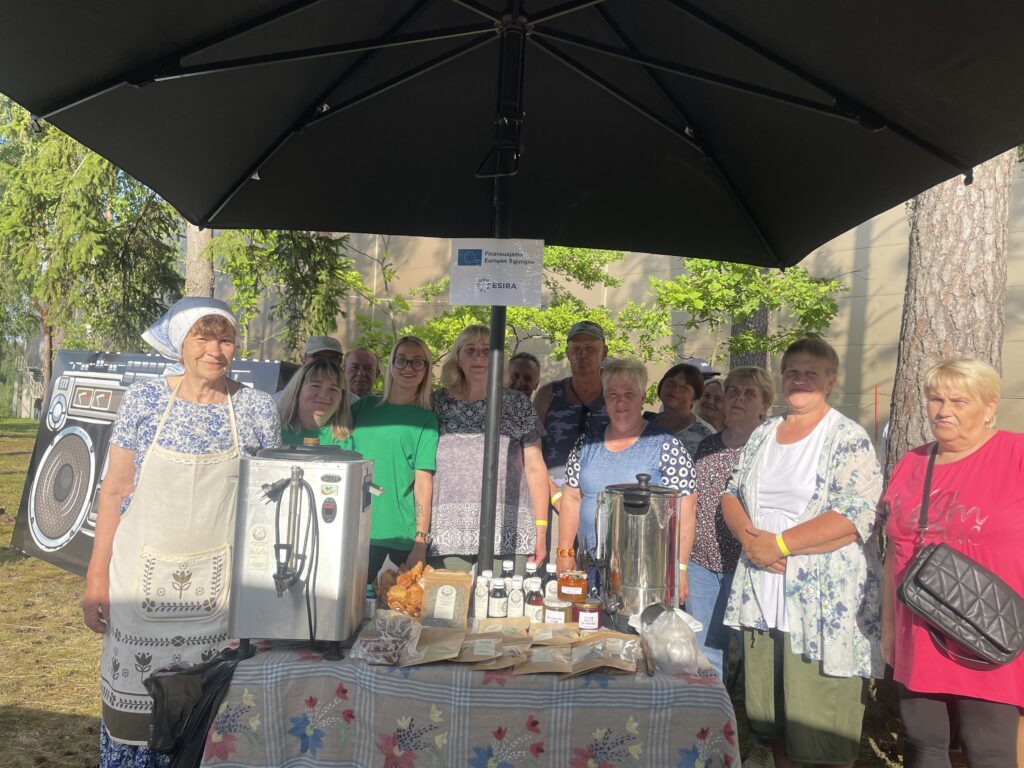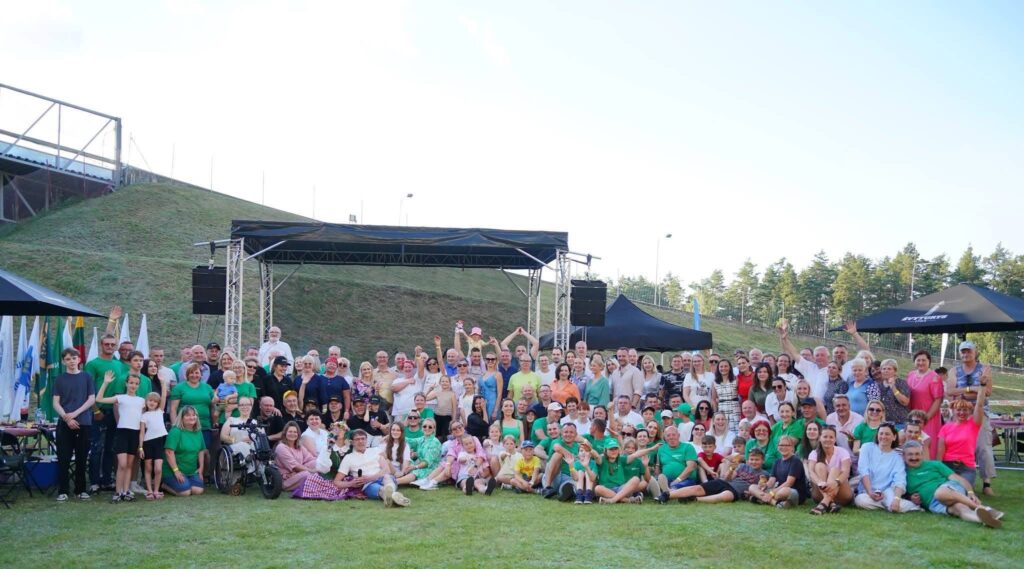
On 26 June 2026, the ESIRA Regional Dissemination Workshop “Social Innovation in Rural Areas: Results of Implemented Social Initiatives and Future Opportunities” took place in Druskininkai Municipality, Lithuania. The event brought together more than 100 participants, including representatives of rural communities, businesses, local authorities, researchers, and other stakeholders involved in rural development and social innovation.
The workshop focused on sharing the results and experiences of community-led social initiatives developed within the ESIRA project in the Druskininkai region. Participants discussed the development and implementation of these initiatives, the results achieved, and the lessons learned throughout the process. Particular attention was given to how local knowledge, community resources, cooperation, and innovative approaches can be used to address local needs and create new social and economic opportunities in rural areas.
An important part of the workshop was dedicated to discussing what makes social innovation successful in rural areas and what is needed for its further development. Participants exchanged experiences and perspectives on cooperation between communities, businesses, local authorities, and other stakeholders, as well as opportunities for financing, strengthening, and scaling up successful social innovation practices.
The workshop also included practical group work, during which participants identified local needs, generated ideas for new social initiatives, and explored potential solutions and opportunities for future cooperation. This participatory approach provided an opportunity not only to disseminate the results already achieved but also to encourage new ideas and connections among local actors.
By combining the presentation of ESIRA results with peer learning, practical discussion, and cross-sectoral dialogue, the Regional Dissemination Workshop contributed to the wider dissemination of community-led social innovation practices. The event highlighted the potential of social innovation to strengthen local capacities, encourage cooperation, and contribute to more resilient, inclusive, and economically active rural communities.